
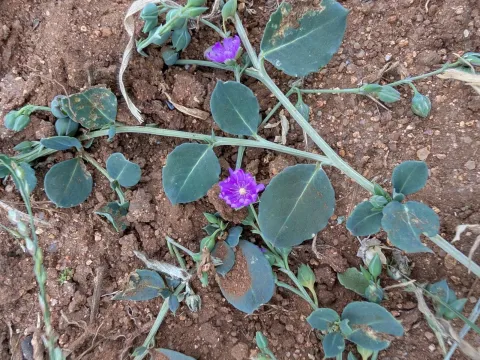
Corbichonia
Corbichonia
Corbichonia is a genus of flowering plants belonging to the family Lophiocarpaceae. These plants are primarily native to arid and semi-arid regions of Africa, where they have adapted to survive in environments characterized by extreme heat and erratic rainfall.
What the section contains

Corbichonia
The plant is known for its remarkable ability to thrive in sandy and stony soils that are often nutrient-poor. Its high salt tolerance makes it a subject of interest for agriculture in desert regions where standard irrigation is unsustainable due to water quality issues.
Botanically, Corbichonia is distinguished by its succulent-like leaves and sprawling growth habit. This morphology allows the plant to minimize water loss through transpiration, which is a key survival strategy in its natural habitat.
When cultivated, the plant requires well-drained soil and abundant sunlight. It is highly efficient at water use, meaning it does not require supplemental irrigation once established, which is a significant advantage for low-input farming systems.
Its primary use is as a traditional food source for local communities and a drought-resistant forage crop for livestock. There is growing academic interest in evaluating its nutritional value and potential for wider commercial production in arid climates.
The primary threat to the health and productivity of Corbichonia is waterlogging. Because the plant is evolutionary adapted to arid conditions, excess water in the root zone quickly leads to root rot and eventual plant collapse.
Insect pests such as locusts and grasshoppers represent a significant threat, especially during outbreak years, as they are attracted to the succulent foliage. Monitoring for these pests is essential during the early stages of plant development.
Fungal diseases, including powdery mildew, can affect the leaves if the plant is grown in areas with high humidity or poor air circulation. Proper spacing between rows is critical to maintain airflow and reduce disease incidence.
Weed management is vital during the initial growth phase, as young Corbichonia plants can be easily overwhelmed by faster-growing invasive grasses. Manual weeding is often the most effective control method in small-scale plots.
Integrated pest management strategies should focus on preventive measures, such as selecting resistant cultivars and optimizing soil drainage, to ensure long-term sustainability without relying on chemical pesticides.