
Corbichonia decumbens
Corbichonia decumbens
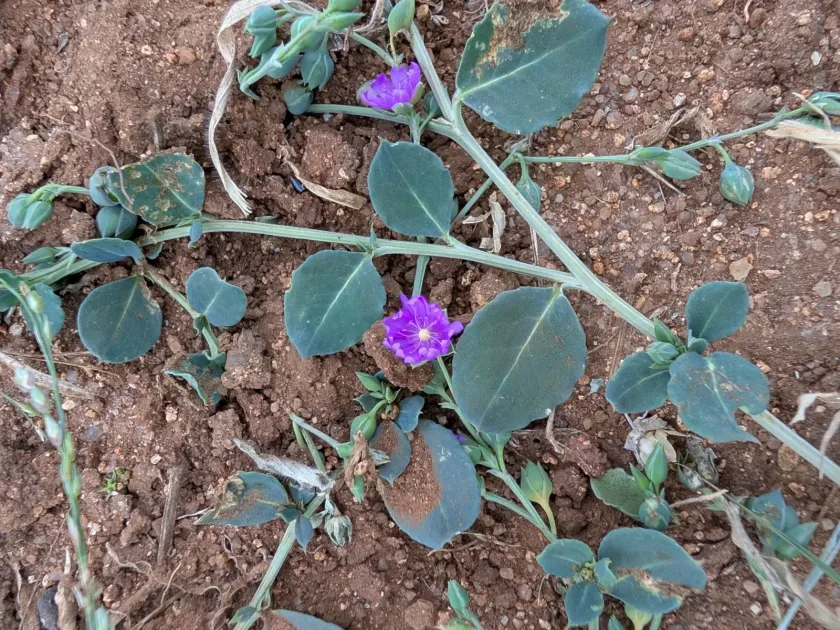
Description
Growing requirements
Corbichonia decumbens is a herbaceous perennial plant belonging to the Lophiocarpaceae family. It is known for its prostrate growth habit, which allows it to serve as an effective ground cover in arid and semi-arid environments.
The natural distribution of this species spans the tropical and subtropical regions of Africa, the Arabian Peninsula, and parts of India. It is highly adapted to sandy soils and rocky substrates where water availability is extremely limited.
The plant exhibits remarkable tolerance to high heat and prolonged drought periods. Ideal conditions for growth include well-drained soil profiles with a neutral to slightly alkaline pH level.
Successful cultivation requires open sites with full sun exposure. The plant is sensitive to waterlogging, making proper drainage essential; heavy clay soils that retain moisture for long periods are unsuitable for this crop.
In agricultural practice, Corbichonia is increasingly recognized for its role in land reclamation and soil stabilization. Its extensive root system plays a crucial role in preventing wind erosion in degraded, arid landscapes.
Main diseases and pests
Corbichonia decumbens possesses a significant level of natural resistance to most pathogens found in temperate regions. Most health issues arise only when agricultural practices are neglected, particularly regarding irrigation management.
Excessive soil moisture is the primary cause of concern, often leading to root rot which can rapidly decimate a crop stand. Maintaining adequate drainage and strictly regulating watering intervals is vital for long-term survival.
Insect pests typically associated with dryland ecosystems may cause minor damage, but the plant's natural chemical defenses often deter major infestations. The presence of secondary metabolites makes it less susceptible to generalist herbivores.
Weed competition is a significant concern only during the germination and early seedling phases. Once the plant reaches maturity and the stems spread across the surface, it effectively outcompetes most encroaching weeds.
Proactive monitoring is recommended during unusual wet spells to detect any early signs of fungal growth. Maintaining air circulation around the plants and prompt removal of decaying material is standard practice to ensure crop health.