
Cunila origanoides
Cunila origanoides
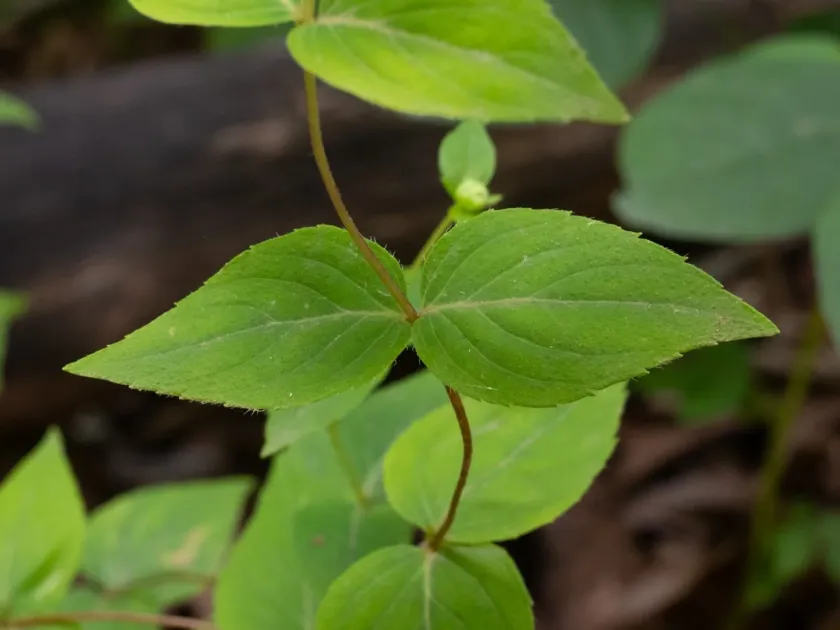
Description
Sowing dates
Cunila origanoides is best propagated from seeds that require a period of cold stratification to overcome dormancy. Sowing should be carried out in late autumn or early spring to allow the seeds to experience the necessary temperature fluctuations for successful germination.
Seedlings should be raised in a controlled environment before transplanting into the field. This method ensures that the young plants are robust enough to withstand outdoor conditions, which is crucial for a crop that tends to grow slowly during its initial development phase.
When transplanting, spacing is vital for the health of the plants. Allowing 35-45 centimeters between individuals ensures proper air circulation, which prevents the development of fungal pathogens and allows each plant to establish a strong root system without excessive competition.
The preparation of the planting site should include deep cultivation to remove perennial weeds and improve soil structure. Ensuring that the soil is aerated and free from debris allows for better root penetration and consistent growth throughout the growing season.
Vegetative propagation via root division is another viable option for commercial growers. This method should be performed in the spring, allowing the divided plants to establish themselves fully before the onset of extreme summer heat or winter dormancy.
Growing requirements
Cunila origanoides, a member of the Lamiaceae family, is a perennial herb native to North America. It thrives in well-drained, rocky or sandy soils that mimic its natural habitat on dry, wooded slopes and rocky outcroppings.
Proper drainage is the single most important requirement for successful cultivation. The species is highly susceptible to root rot if left in waterlogged conditions, making well-drained, slightly acidic to neutral soils essential for long-term survival.
The plant prefers partial shade or dappled sunlight. While it can tolerate some sun, excessive heat and high-intensity midday light can scorch the leaves and reduce the quality of the essential oils, which are the main commercial interest of this crop.
Nutrient requirements are relatively modest, as the plant is adapted to nutrient-poor soils. Over-fertilization, especially with high-nitrogen formulations, should be avoided as it encourages soft, succulent growth that is more prone to pest attacks and lacks aromatic intensity.
Winter hardiness is moderate, but plants benefit from a protective layer of mulch during the coldest months. This helps to regulate soil temperatures and prevents the root system from heaving during freeze-thaw cycles, ensuring healthy spring regrowth.
Main diseases and pests
The most common pests affecting Cunila origanoides include aphids and spider mites, which feed on the sap of tender new leaves. Integrated pest management, focusing on biological controls and the encouragement of beneficial insects, is the preferred approach for this aromatic crop.
Fungal diseases like powdery mildew can become an issue if the plants are crowded or if humidity levels remain consistently high. Proper spacing and ensuring that the foliage stays dry by using targeted irrigation methods are effective preventive strategies.
Root rot, driven by stagnant water and heavy soil textures, is the primary threat to the longevity of the plant. Maintaining optimal irrigation schedules and ensuring that the planting site has an effective drainage system are essential to mitigate this risk.
Slugs and snails can cause significant damage to young plants in moist, temperate regions. Using barriers such as crushed eggshells or copper tape can help deter these pests without resorting to the use of toxic chemicals that might degrade the herb's quality.
Regular monitoring of the crop is necessary to identify early signs of stress or pest infestation. Quick intervention, such as pruning affected areas or adjusting local moisture levels, can often prevent the need for more intensive management practices.
Harvesting
The harvesting of Cunila origanoides for its aromatic foliage should coincide with the peak flowering period. This is when the plant is at its metabolic height and the concentration of its characteristic aromatic compounds is at its maximum.
Using sharp, sterilized tools for harvesting helps prevent the spread of diseases and ensures clean cuts. It is important to leave enough foliage on the plant after harvesting to sustain its energy reserves for the remainder of the season and for winter survival.
Harvesting should occur on dry, sunny mornings after the dew has evaporated. This minimizes moisture content, which is vital for the subsequent drying process and ensures that the final product maintains its high aromatic profile without risk of mold.
Drying should be carried out in a cool, dark, and well-ventilated area to preserve the volatile essential oils. Excessive heat or direct sunlight will cause these oils to degrade, significantly lowering the market value and medicinal efficacy of the dried herb.
The final product, once dried to a brittle state, should be stored in airtight containers away from heat and light. This maintains its shelf life and ensures that the herb remains a potent ingredient for culinary or therapeutic uses throughout the year.