
Mock orange
Philadelphus dasycalyx
Description
Growing requirements
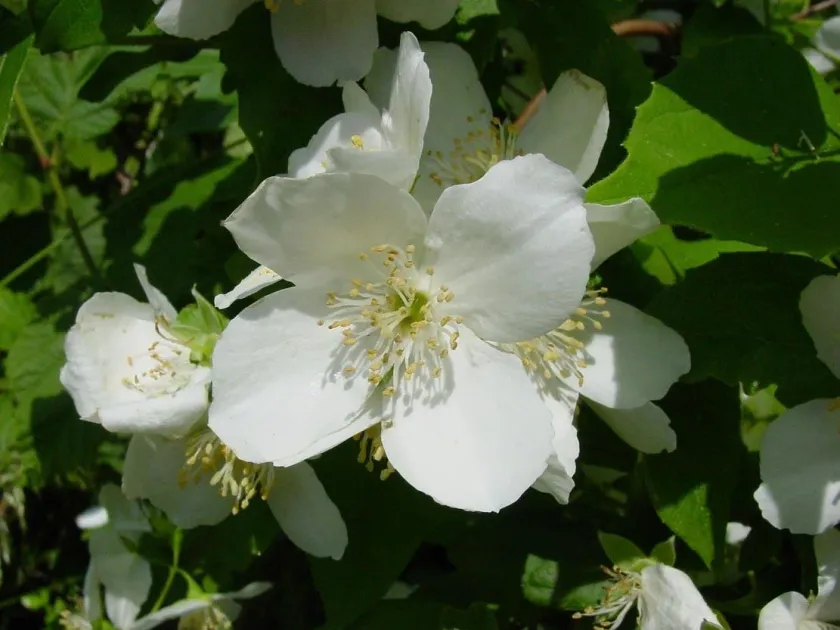
Philadelphus dasycalyx, commonly known as a type of mock orange, belongs to the Hydrangeaceae family. This shrub is highly valued for its unique floral characteristics, specifically the dense pubescence on the calyx, which distinguishes it within the genus.
The plant thrives in well-drained, fertile soils with a neutral or slightly acidic pH level. Adequate sun exposure is critical for flower production, although partial shade in regions with intense summer heat helps prevent leaf scorching and excessive moisture loss.
Botanically, it features upright woody stems that require periodic pruning to maintain an attractive shape. The leaves are typically ovate and arranged in an opposite pattern, contributing to a dense and lush appearance during the active growing season.
Agricultural practices for this shrub prioritize consistent watering regimes during the dry season and moderate fertilization. Applying a layer of mulch helps regulate soil temperature and suppresses weed growth, promoting healthier root development.
Its primary use is ornamental, serving as a staple in traditional landscapes, gardens, and urban greening projects. It is favored for its adaptability to varying environmental conditions and its capacity to act as an effective noise-reducing or privacy hedge.
Main diseases and pests
The plant is susceptible to common garden pests such as aphids, scale insects, and spider mites. These pests typically cluster on the undersides of leaves or on succulent new growth, which can lead to significant yellowing and overall decline if left untreated.
Fungal issues, including leaf spot and powdery mildew, may occur if the planting site lacks proper air circulation. These diseases are more prevalent in climates with high humidity, requiring careful site selection during the initial planting phase.
Integrated Pest Management (IPM) strategies are recommended, focusing on biological controls first, such as introducing beneficial insects. Chemical intervention should be reserved for severe infestations and applied strictly according to safety protocols.
Sanitary pruning is a fundamental practice for disease control. Removing any branches that show signs of necrosis or fungal growth prevents the spread of pathogens to the rest of the shrub's canopy.
Monitoring for signs of stress is crucial during the late spring. By providing adequate nutrition and ensuring proper plant spacing, gardeners can significantly increase the natural resilience of the shrub against common environmental threats.