
Philadelphus subcanus
Philadelphus subcanus
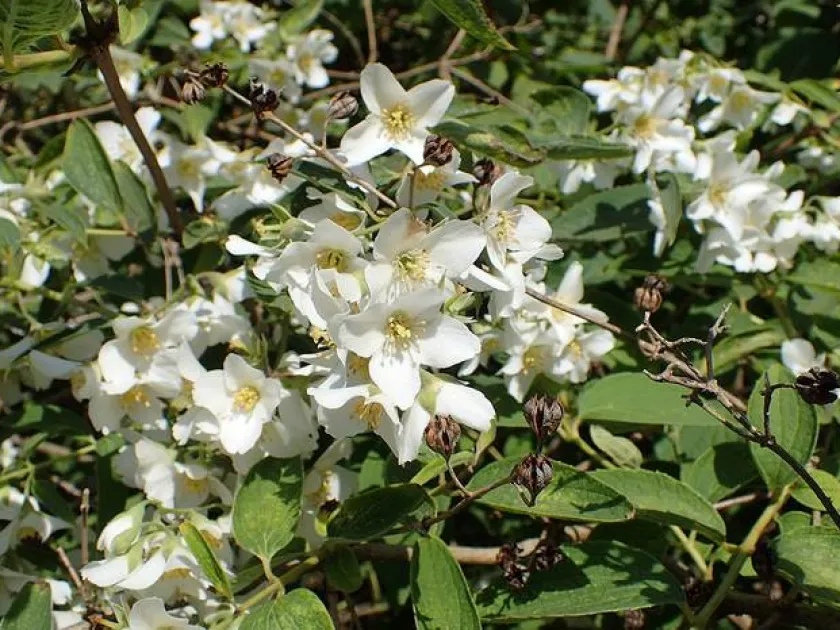
Description
Growing requirements
Philadelphus subcanus is a shrub belonging to the Hydrangeaceae family, native to the mountainous regions of China. This species is highly valued in horticulture for its ornamental foliage and fragrant flowers that bloom in late spring.
The plant requires full sun to partial shade for optimal growth. It thrives in fertile, well-drained soils that maintain consistent moisture levels. Heavy clay soils should be amended with organic matter to improve drainage and aeration.
Regarding climate, this shrub prefers moderate temperatures and protection from harsh, drying winds. While it is relatively hardy, young plants require mulching and winter protection in colder climates to safeguard the root system from freezing.
Agricultural maintenance involves regular watering during dry spells to prevent leaf scorch. Fertilizer application should be focused in early spring to support the intense growth period and promote vigorous flowering for the upcoming season.
Pruning is essential for maintaining the shape and health of the shrub. It should be performed immediately after flowering to remove old, woody stems, which encourages the growth of fresh, flowering shoots and ensures a compact, aesthetic form.
Main diseases and pests
Pest management for Philadelphus subcanus typically involves monitoring for aphids, which often congregate on new growth. If an infestation is detected, insecticidal soap or specific pesticides should be applied to manage the population.
Powdery mildew is a common fungal issue that manifests as a white, dusty layer on the leaves. To mitigate this, ensure proper spacing between plants to facilitate air circulation and minimize excess humidity around the foliage.
Spider mites can also become a problem during hot, dry summer months. Regular hosing down of the foliage and application of appropriate miticides when necessary can help prevent significant plant stress and tissue damage.
Sanitation practices are critical; always remove dead or infected plant debris from the base of the shrub in autumn. This reduces the risk of fungal spores over-wintering and causing problems during the next growing season.
Overall plant vigor is the best defense against pests and diseases. By providing adequate light, water, and nutrients, the gardener ensures the shrub remains robust enough to tolerate minor infestations without needing heavy chemical intervention.