
Platycrater arguta
Platycrater arguta
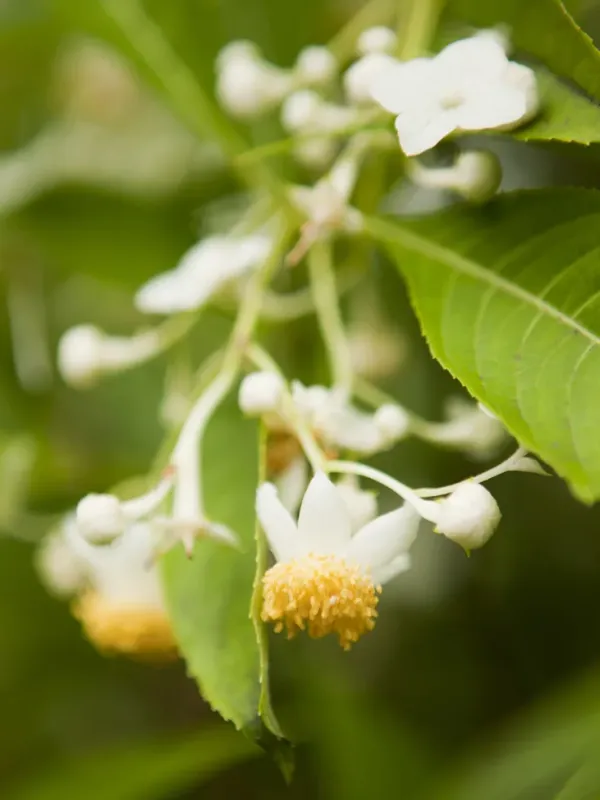
Description
Sowing dates
Platycrater arguta is a monotypic genus belonging to the Hydrangeaceae family. Propagation is primarily achieved through stem cuttings during the summer or by sowing seeds in protected environments.
For seed propagation, it is recommended to sow in a light, well-draining substrate in the spring. Seeds often require a period of stratification to improve overall germination rates.
Softwood cuttings taken during the early summer months are the preferred method for maintaining the genetic traits of specific cultivars. Maintaining high humidity is essential during the rooting phase.
Young plants should be cultivated in containers for the first two years to ensure the root system is sufficiently developed before transferring them to permanent garden locations.
The optimal time for planting in open ground is late spring, once the threat of frost has completely passed, allowing the shrub to establish itself before the heat of summer.
Growing requirements
Platycrater arguta originates from the forested regions of Japan, necessitating specific environmental conditions. It thrives best in partial shade, away from harsh, direct sunlight that can scorch the foliage.
The soil must be fertile, moist, and acidic. Incorporating organic matter, such as peat or leaf mold, is highly beneficial for maintaining the necessary pH levels for optimal growth.
Consistent moisture is vital for this plant. During dry periods, the soil must be kept damp; otherwise, the shrub may experience leaf wilt and reduced flower bud development.
Winter hardiness is moderate, and in colder climates, it is essential to apply a thick layer of mulch around the base of the plant to protect the roots from deep freezing.
Fertilization should be handled carefully using acidic-loving plant formulas. Applications should be restricted to the active growing season to avoid encouraging late growth that may suffer winter damage.
Main diseases and pests
Common pests include aphids and spider mites, which typically proliferate in dry conditions. Regular monitoring of the underside of leaves is recommended for early detection.
Fungal issues, such as powdery mildew, may occur if there is insufficient air circulation around the shrub or if the foliage remains wet for extended periods in dense plantings.
Root rot represents the most significant threat to the plant's survival. It is primarily caused by poor drainage or overwatering, which prevents the roots from receiving adequate oxygen.
Integrated pest management strategies should be employed, prioritizing manual removal of pests or using horticultural oils before resorting to systemic insecticides.
Good cultural practices, including proper spacing and sanitation, are the most effective methods for preventing disease outbreaks and ensuring the long-term health of the shrub.