
Endopleura uchi
Endopleura uchi
Description
Sowing dates
Endopleura uchi is a significant tropical tree species belonging to the Humiriaceae family, native to the Amazon rainforest region.
Propagation is primarily achieved through seeds, which must be sown immediately after harvesting because they lose viability rapidly due to dehydration.
In nursery settings, the seeds are planted in nutrient-rich, acidic, and well-draining soil to mimic the natural environment of the forest floor.
The germination process requires consistent warm temperatures between +25°C and +30°C along with high relative humidity to ensure successful seedling development.
Shading is essential for the first few years of growth to protect the sensitive young trees from direct, high-intensity sunlight and potential moisture stress.
Growing requirements
The species thrives in humid tropical climates characterized by high rainfall and the absence of prolonged, severe dry seasons throughout the year.
Deep, fertile, and slightly acidic soils are required to support the extensive root system and provide the necessary minerals for healthy vegetative growth.
The plant is highly sensitive to temperature drops and cannot tolerate frost, as its biological processes are adapted to stable equatorial conditions.
Adequate air circulation is necessary to manage humidity levels within the canopy, which helps in preventing the onset of various fungal infections.
In managed orchards, consistent irrigation during the rare periods of lower rainfall is crucial to prevent tree stress and promote regular fruit production.
Yield
The tree enters its reproductive phase after several years, providing high-quality fruits that are valued for their creamy texture and high oil content.
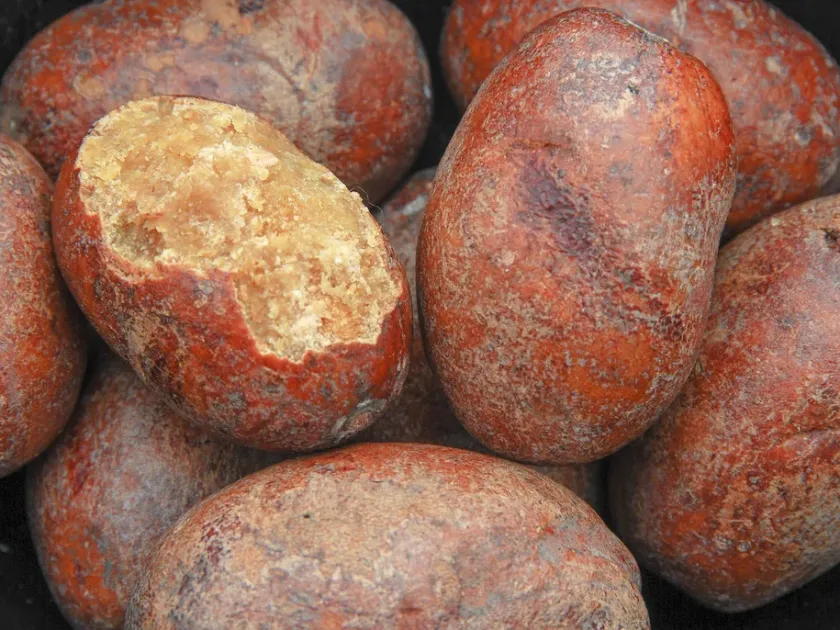
The fruit of Endopleura uchi is characterized by a thick, fleshy mesocarp, which is the primary part utilized for nutritional and medicinal purposes.
Fruit yield is heavily dependent on favorable climatic conditions and the presence of healthy populations of natural pollinators in the surrounding area.
Proper management of the tree architecture through selective pruning can enhance light penetration, which in turn leads to a more uniform fruit set.
With correct harvesting and post-harvest handling, this crop offers a sustainable economic alternative for farmers in tropical agricultural zones.
Main diseases and pests
The primary threats to Endopleura uchi involve various fungal pathogens that flourish in environments with poor drainage and excessive moisture buildup.
Insect pests can damage foliage and young bark, often leading to reduced vigor and making the trees more susceptible to secondary viral or bacterial infections.
Weed control is mandatory, as invasive forest creepers and rapid-growing vines can quickly smother younger trees and compete for essential soil nutrients.
Sanitation practices, such as removing fallen leaves or infected wood, are critical in preventing the buildup of disease-causing microorganisms in the orchard.
Integrated pest management strategies focusing on biological control are preferred to maintain the delicate ecological balance of the plantation.
Harvesting
Harvesting is performed manually when the fruits exhibit specific indicators of ripeness, such as changes in skin color and slight softening of the fruit structure.
Since the fruits are highly perishable, post-harvest processing must begin within a few hours to maintain the chemical integrity of the oils.
Fruits should be handled with care to avoid skin bruises, as these serve as entry points for decay-causing organisms during storage and transport.
Sorting the fruits immediately after harvesting allows for the separation of high-quality produce for fresh consumption from those destined for oil extraction.
Proper transport using ventilated containers ensures that the fruit maintains its quality from the harvest site to the processing facility or market.