
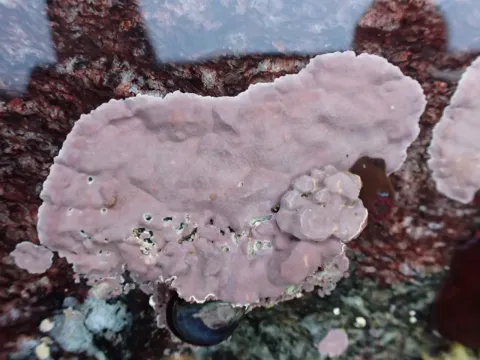
Phymatolithon
Phymatolithon
Phymatolithon is a genus of red crustose coralline algae belonging to the Hapalidiaceae family. Unlike traditional crops, these organisms grow slowly on the seabed, forming hard, calcium-rich structures that are harvested for agricultural use.
What the section contains

Phymatolithon
Growth requirements include cold to temperate marine environments with clean, nutrient-rich water. These algae typically attach to rocks or other stable substrates, thriving in areas with sufficient current to deliver nutrients.
In agriculture, the material is processed into a fine powder or granulate. Its primary function is serving as a natural, mineral-dense soil conditioner that neutralizes acidic soils while providing essential trace elements.
Soil application requires knowledge of the initial pH level. Phymatolithon acts as a slow-release amendment, which is particularly beneficial for long-term soil structure improvement and healthy root development in various crops.
Proper application ensures that calcium and magnesium levels remain optimal. This is a common practice in eco-friendly farming systems, as it replaces synthetic limestone and boosts biodiversity in the soil ecosystem.
Production yield refers to the sustainable harvesting of these algae. Strict regulatory quotas are enforced to prevent damage to the marine environment, ensuring the natural regeneration of the crustose beds.
Crop yield improvements are observed following the application of Phymatolithon. By correcting soil acidity, it enhances nutrient bioavailability, leading to healthier plant growth and higher overall harvests for the farmer.
Its effectiveness is characterized by a gradual dissolution in the soil. This provides plants with a steady supply of calcium throughout the growing season, reducing the need for constant maintenance fertilization.
Phymatolithon is also highly regarded in animal husbandry. It is frequently incorporated into feed additives to strengthen skeletal systems in livestock and improve the quality of eggshells in poultry farming.
The product's performance is consistent across various climate zones, provided it is applied to the appropriate soil types. It is particularly valued in high-end horticulture and organic fruit production.
The greatest threat to Phymatolithon in its natural habitat is ocean acidification. Rising levels of CO2 lead to a reduction in the alkalinity of seawater, which directly dissolves the calcified structures of the algae.
In field applications, the main risk involves improper dosage. Applying too much material can inadvertently raise the soil pH too high, potentially inhibiting the availability of essential micronutrients.
Storage management is crucial, as the powdered product must be kept dry to prevent hardening and ensure it remains easy to spread with agricultural machinery during field preparation.
There are no pests in the traditional agricultural sense, as the object is mineral-based. However, environmental pollution in coastal areas remains a critical factor that can affect the quality of the harvested material.
Users should perform regular soil tests to monitor pH changes over time. Effective integration involves balancing the slow-release properties of the algae with the immediate nutrient needs of the specific crop.