
Hartia
Hartia
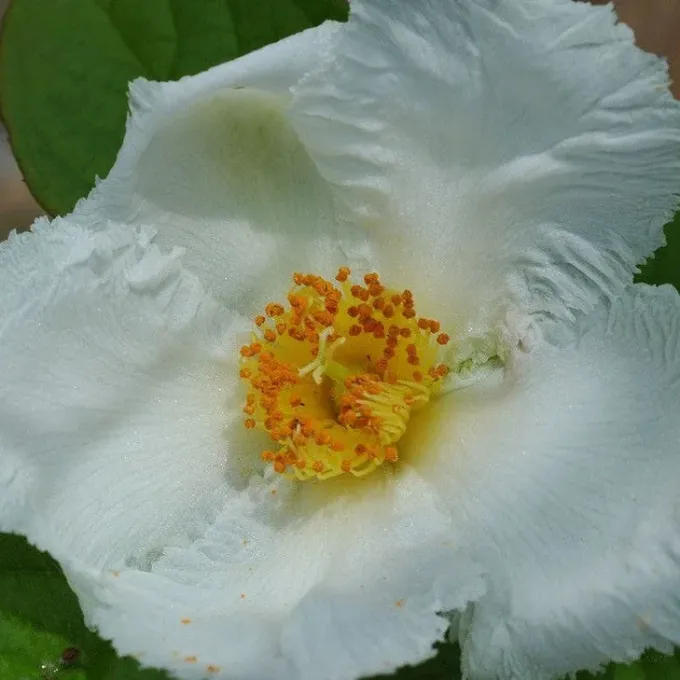
Description
Sowing dates
The sowing schedule for Hartia depends heavily on the local climate and the warming of the soil. Ideally, planting should occur when the average daily temperature reaches 12–15 degrees Celsius to ensure robust development.
The soil should have adequate moisture levels at the time of sowing. Planting in cold or waterlogged soil should be avoided, as this significantly increases the risk of seed decay and early-stage fungal development.
Using high-quality calibrated seeds with high germination energy is crucial for success. Planting depth typically ranges from 3 to 6 cm, adjusted based on whether the soil is heavy clay or light sandy loam.
Modern precision drilling technology is recommended to maintain optimal plant density. This spacing is vital to reduce competition for nutrients and solar radiation among individual plants throughout the season.
Post-sowing management often includes rolling the soil to improve contact between seeds and the earth. This ensures uniform emergence and sets a strong foundation for the upcoming growth stages of the crop.
Growing requirements
Hartia performs best in well-aerated, fertile loam or sandy loam soils. Maintaining a pH level close to neutral is beneficial for the efficient uptake of essential macronutrients and trace minerals required for healthy growth.
Proper drainage is essential, as the crop is sensitive to waterlogging. Stagnant water can lead to root system degradation and provide an ideal environment for various soil-borne pathogens to thrive.
Balanced fertilization based on soil testing is highly recommended. Applications of nitrogen, phosphorus, and potassium should be timed according to the specific developmental phases of the plant to maximize biomass.
Sufficient sunlight is a prerequisite for high yields. Plants grown in shaded areas often show weaker physiological performance and reduced capacity for developing healthy, productive vegetative components.
Inter-row cultivation is a necessary part of the agricultural process. It serves to break the soil crust, facilitate gas exchange in the root zone, and keep weed populations under control throughout the growing cycle.
Main diseases and pests
Root rot is a common threat, especially in conditions of high humidity. Preventive measures such as seed treatment and maintaining a strict crop rotation schedule are the most effective ways to manage this issue.
Insects like aphids and cutworms can cause significant damage to young foliage. Integrated pest management, including regular scouting and selective use of insecticides, is necessary to keep populations below economic thresholds.
Powdery mildew may occur during periods of high humidity and fluctuating temperatures. Timely application of fungicides is essential to prevent the spread of the disease and protect the integrity of the leaves.
Effective crop protection relies on early detection. Regular monitoring of the field allows for quick responses, minimizing the need for heavy chemical applications and ensuring the sustainability of the harvest.
- Early disease identification and intervention.
- Selective use of insecticides.
- Proper crop rotation to reduce soil-borne pathogens.
- Maintaining optimal plant density.