
Hall's birch
Betula hallii
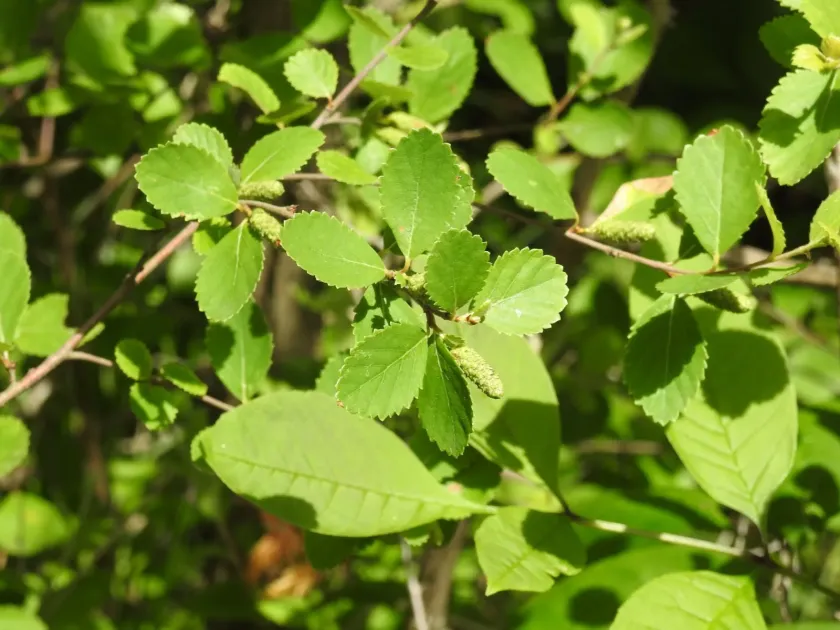
Description
Growing requirements
Hall's birch (Betula hallii) is a distinct species within the Betulaceae family. It is valued in horticultural circles for its aesthetic appeal, characterized by a graceful form and typical birch-like foliage that provides seasonal interest.
This species thrives in well-drained, nutrient-rich soils that allow for consistent moisture levels without waterlogging. It is generally adaptive to a variety of garden soil types, provided they are not excessively compact or alkaline.
Climate requirements for Betula hallii include moderate temperature ranges and a preference for cool temperate zones. It exhibits strong winter hardiness, allowing it to withstand severe frost common in northern regions without significant damage.
Successful cultivation involves proper site selection with adequate sunlight exposure, although partial shade can be tolerated in hotter climates. Irrigation should be focused on the root zone during the establishment phase and periods of extended dryness.
Regular maintenance practices for this tree include light pruning to maintain a clean structure and mulching to maintain soil health. Careful observation of growth patterns allows for the adjustment of feeding schedules to meet the tree's nutritional needs.
Main diseases and pests
The primary fungal threats to Hall's birch include rust and powdery mildew, which can affect leaf health during humid summers. Integrated pest management, including the removal of infected debris, is recommended to curb the spread.
Common insect pests, such as leaf miners and aphids, can cause significant damage to foliage. Regular monitoring and, if necessary, the application of horticultural oils or targeted insecticides are effective management strategies.
Borer insects represent a more severe threat, as they tunnel into the trunk and can compromise the tree's structural integrity. Preventive trunk treatments and maintaining tree vigor are crucial for long-term survival against these pests.
Environmental stress, including drought or high urban pollution levels, can weaken the tree's natural defenses. Ensuring a healthy growing environment is the first line of defense against both biotic and abiotic threats.
Root rot resulting from poor soil drainage is a frequent cause of decline. A well-designed planting site with a proper irrigation system is essential to prevent these internal health issues.