
Griselinia littoralis
Griselinia littoralis (Raoul) Raoul
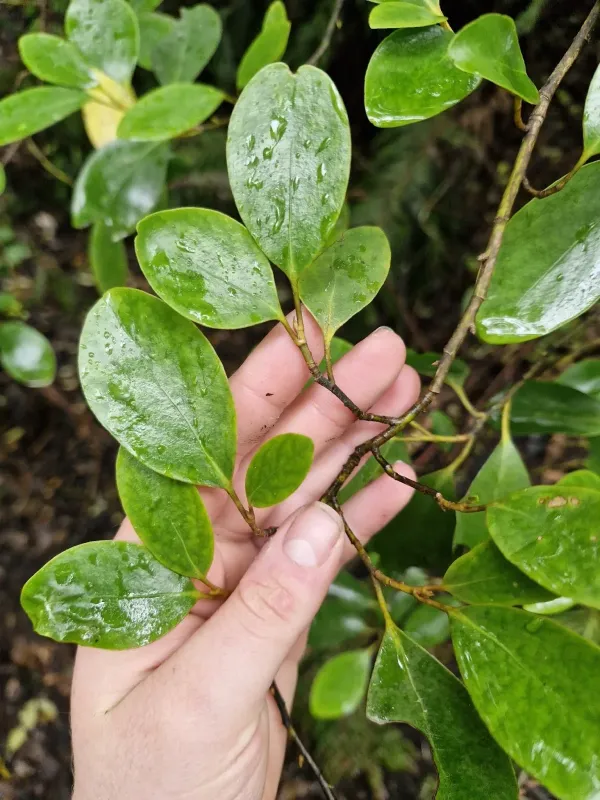
Description
Growing requirements
Griselinia littoralis, commonly known as New Zealand broadleaf, is an evergreen shrub or tree belonging to the Griseliniaceae family. It is native to the coastal regions of New Zealand.
The plant thrives in well-drained, fertile soils with a neutral pH. It is highly prized for its exceptional tolerance to salt-laden coastal winds and general urban pollution.
It requires a temperate climate and is typically suitable for USDA zones 8 to 10. While it prefers full sun, it can adapt to partial shade, showing moderate growth rates in varied light conditions.
Agricultural management involves deep watering during the establishment phase and regular pruning to encourage dense branching, which is essential for windbreak performance.
In landscaping, it is used extensively for hedging, screening, and as a formal topiary plant due to its ability to tolerate heavy clipping and shaping.
Main diseases and pests
Griselinia littoralis is relatively pest and disease-free; however, it is susceptible to root rot if the soil remains waterlogged for extended periods.
Common insect pests include scale insects and mealybugs, which tend to congregate on the undersides of the thick, leathery leaves during warmer months.
Fungal leaf spot diseases can occur in areas with poor ventilation or high humidity, leading to premature leaf drop if left untreated.
Maintaining proper soil drainage is the most effective preventative measure against root-related pathogens and soil-borne infections.
Integrated pest management, including horticultural oil applications, is recommended if pest populations exceed economic or aesthetic thresholds.