
Shining broadleaf
Griselinia lucida Forst. f.
Description
Growing requirements
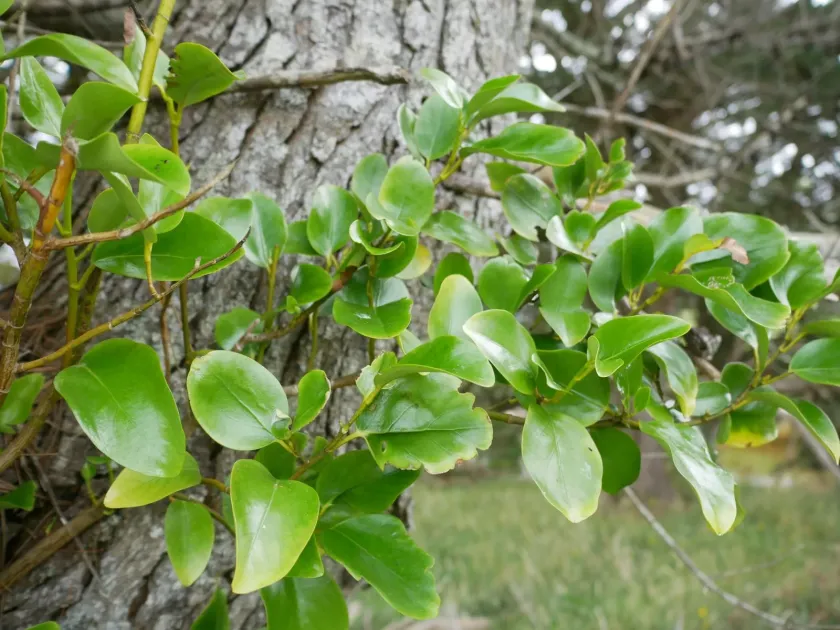
Shining broadleaf (Griselinia lucida) is an evergreen shrub or small tree belonging to the Griseliniaceae family. Native to New Zealand, this species is highly valued in horticulture for its glossy, leathery foliage and compact growth habit.
The plant thrives in temperate climates with mild winters. In areas prone to frost, it is essential to provide winter protection or cultivate the shrub in pots that can be moved to a greenhouse during cold months.
Regarding soil requirements, this plant prefers well-draining, fertile soil with a neutral to slightly acidic pH. Incorporating organic matter during planting helps improve soil structure and provides necessary nutrients for healthy leaf development.
Optimal growth is achieved in positions that offer partial shade to full sun. While it can tolerate exposure to coastal winds, it performs best when shielded from harsh, direct sunlight that can scorch its vibrant, thick leaves.
Maintenance involves regular watering during dry spells to keep the root zone slightly moist but not waterlogged. Mulching around the base can help retain moisture and protect roots during fluctuating seasonal temperatures.
Main diseases and pests
Griselinia lucida is generally robust, but it can be susceptible to root rot if the soil remains excessively wet for long periods. Ensuring excellent drainage is the primary defense against fungal pathogens affecting the root system.
Scale insects and mealybugs are the most common pests for this plant. They typically cluster on the undersides of leaves or stems, causing yellowing and stunted growth if left untreated by appropriate systemic insecticides.
Leaf spot diseases may appear in environments with poor air circulation or high humidity. Removing affected leaves and improving the spacing between plants can significantly reduce the spread of fungal spores.
Aphids can occasionally attack young, tender growth during the spring season. A simple spray with insecticidal soap or neem oil is usually sufficient to control minor infestations before they damage the shrub's ornamental appearance.
To ensure long-term health, monitor the plant for signs of nutrient deficiency, which can weaken its natural resistance to pests. Regular balanced feeding during the growing season is recommended to maintain vigorous growth.