
Griselinia racemosa
Griselinia racemosa
Description
Growing requirements
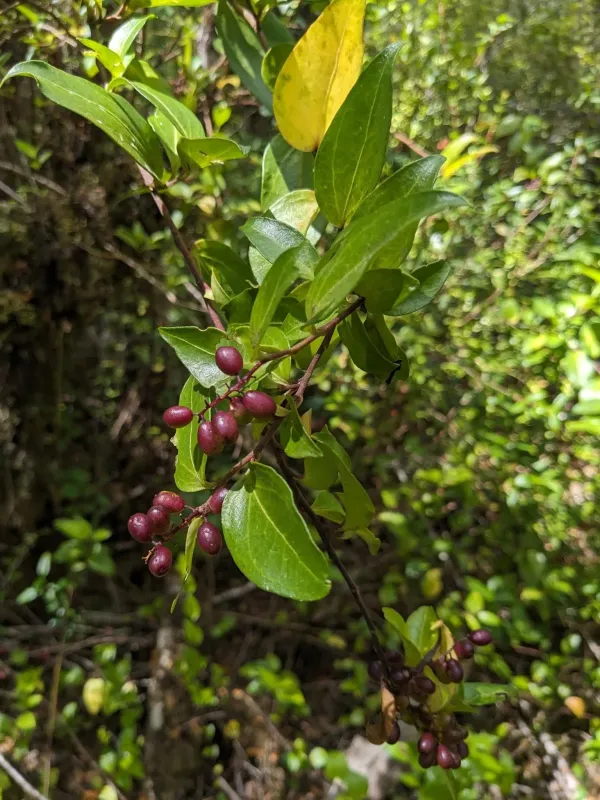
Griselinia racemosa is an evergreen shrub or small tree belonging to the Griseliniaceae family. Native to the temperate rainforests of Chile, it has become a valued plant for ornamental use due to its glossy, leathery foliage.
Botanically, the species is characterized by its compact habit and ability to retain leaves throughout the year. It exhibits an upright growth structure, which makes it highly suitable for hedge formation and structured garden planting.
The cultivation of Griselinia requires fertile, well-draining soil with a pH ranging from neutral to slightly acidic. Providing excellent drainage is crucial, as the root system is susceptible to rot in waterlogged conditions.
Climate requirements include protection from extreme frosts and strong, drying winds. While it enjoys a temperate climate, it thrives best in areas where humidity levels remain relatively consistent throughout the growing season.
In terms of agricultural and horticultural use, it is primarily employed as a landscaping plant. Its salt tolerance makes it a popular choice for coastal gardens, where it acts as a robust windbreak while maintaining high aesthetic value.
Main diseases and pests
The primary threats to Griselinia racemosa include Phytophthora and other root rot pathogens. These conditions are almost exclusively linked to poor soil management and excessive moisture levels in the root zone.
Aphids and scale insects can occasionally infest the plant, particularly in sheltered positions or during periods of weak growth. Targeted application of horticultural oils or systemic insecticides is usually sufficient for control.
Powdery mildew may appear on the foliage if the plant is grown in overcrowded areas with limited air circulation. Pruning to maintain an open canopy significantly reduces the risk of such fungal outbreaks.
Nutrient deficiencies, specifically chlorosis, can occur if the soil pH is unsuitable or if micronutrients are locked up. Applying balanced chelated fertilizers during the spring can help correct these physiological imbalances.
Proper sanitation, including the removal of dead or crossing branches, is an essential part of plant maintenance. Keeping the area around the base of the shrub free from debris helps prevent secondary infections.