
Shuteria involucrata
Shuteria involucrata
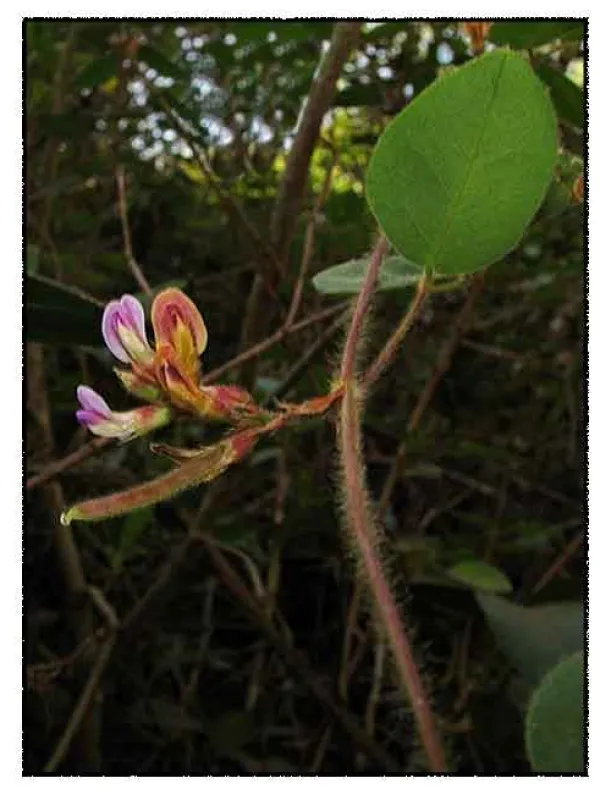
Description
Sowing dates
Shuteria involucrata is a vigorous climbing legume primarily cultivated for its high protein content and ability to improve soil structure. Sowing should be initiated when soil temperatures consistently reach 20 degrees Celsius to ensure rapid germination.
Depending on the intended use, sowing is performed in rows. For forage production, denser stands are preferred to maximize biomass output. Seed depth should be maintained between 2 to 4 centimeters to ensure adequate contact with moisture.
The seeds may benefit from inoculation with specific rhizobial strains prior to planting to enhance nitrogen fixation capacity, which is critical for the plant's nutritional performance.
Early-stage weed control is vital as the crop grows slowly during its initial development. Using pre-emergent cultivation or mulch can significantly reduce competition from annual weeds.
Field preparation must focus on creating a fine, weed-free tilth. Compacted soils should be subsoiled or ploughed deeply to facilitate root penetration and drainage, as the crop does not tolerate waterlogging.
Growing requirements
This species thrives in tropical and subtropical regions characterized by warm temperatures and moderate to high humidity. It requires a significant amount of sunshine for optimal photosynthesis.
Well-drained loamy soils are ideal for Shuteria involucrata. While it can adapt to various soil types, maintaining a neutral pH is essential for efficient mineral uptake and symbiotic nitrogen fixation.
Regular rainfall is necessary throughout the growing season, though the plant shows some resilience once established. Prolonged droughts can stunt growth and reduce the biomass yield significantly.
As a nitrogen-fixing legume, it is an excellent crop for sustainable rotation systems. It effectively replaces synthetic fertilizers by restoring soil fertility through the accumulation of organic matter.
The plant appreciates protected locations away from strong, drying winds. In some cases, companion cropping with taller species can provide the necessary structural support for this vining plant to climb.
Main diseases and pests
Disease pressure, particularly from fungal pathogens, increases significantly during periods of high humidity and stagnant air. Foliar spots and powdery mildew are common occurrences that require management.
Pest management should focus on monitoring for aphid infestations during the early stages of flowering. Aphids can cause severe damage to succulent tissues and stunt plant vigor.
Leaf-eating beetles may also impact the crop's productivity. Integrated pest management strategies, including the use of beneficial insects, are recommended over broad-spectrum chemical interventions.
To prevent disease transmission, avoid planting in fields where previous leguminous crops have shown high levels of infection. Crop rotation cycles of at least three years are highly recommended.
Maintaining adequate space between rows and ensuring proper drainage helps in reducing humidity around the foliage, which is a key factor in suppressing the development of common rust and mildew species.
Harvesting
Harvesting for forage is best timed at the onset of flowering. At this stage, the plant is at its nutritional peak, containing high concentrations of proteins and digestible nutrients for livestock.
Seed harvest requires careful monitoring as the pods mature. They should be harvested when the color shifts to maturity to prevent pod shattering and significant grain loss in the field.
Once harvested, the biomass should be dried or ensiled immediately. Proper storage techniques are crucial to prevent fungal growth, which can produce toxins harmful to livestock health.
When used as a green manure, the plants should be tilled back into the soil before full seed maturity. This maximizes the amount of nitrogen returned to the soil, boosting the productivity of the next crop.
Modern harvesting machinery should be calibrated to minimize mechanical damage to the delicate stems and pods. Gentle handling ensures a higher quality final product for animal consumption.