
Shuteria vestita
Shuteria vestita
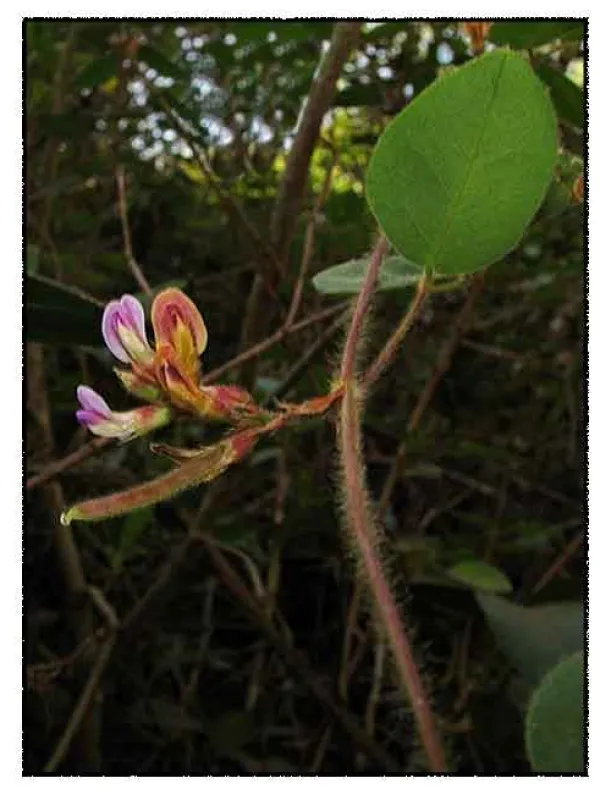
Description
Sowing dates
Sowing of Shuteria vestita is performed during a period of stable warm temperatures, once the soil has warmed to 15–18 degrees Celsius. Ensuring sufficient soil moisture is vital for successful seed germination and the establishment of seedlings in the field.
In tropical and subtropical climates, it is recommended to sow at the beginning of the rainy season. This timing allows the crop to utilize natural precipitation effectively to develop a robust root system before the dry season arrives.
The seeding rate is calculated based on seed purity and germination percentage, typically ranging from 10 to 15 kilograms per hectare. Row planting with spacing of about 30–45 centimeters is recommended to optimize plant development and growth.
Scarification of seeds before sowing is highly advisable, as the seed coat of Shuteria can be quite hard. This practice significantly improves field emergence and ensures a uniform crop stand across the planting area.
Inoculating seeds with specific strains of rhizobia bacteria is a critical agronomic step that greatly enhances nitrogen fixation. This practice is essential for achieving high yields of vegetative biomass and soil fertility improvement.
Growing requirements
Shuteria vestita belongs to the Fabaceae family and prefers well-drained soils with a neutral or slightly acidic pH. The crop reacts negatively to waterlogging, making the selection of elevated or sloping sites a top priority for successful cultivation.
The plant demonstrates high adaptability to various soil types, including loams and sandy loams rich in organic matter. However, the best growth performance is achieved on fertile soils that provide excellent aeration for the root system.
Regarding climatic conditions, Shuteria is considered a heat-loving crop. It develops efficiently at air temperatures ranging from 20 to 30 degrees, showing moderate tolerance to short-term temperature fluctuations.
Light availability plays a critical role in development, as the crop prefers open areas with full sun exposure. Lack of sufficient light leads to stem stretching and a significant decrease in the total biomass produced by the plant.
The plant possesses moderate drought tolerance thanks to the deep penetration of its roots into the soil profile. Nevertheless, for stable green mass production, regular irrigation is required during critical growth phases.
Yield
The yield of Shuteria vestita depends heavily on the level of agronomic management, soil quality, and the specific regional climate. Under favorable conditions, it is capable of producing a significant volume of biomass in a single season.
Average productivity figures make this crop a promising source of green forage in tropical and subtropical agro-systems. The crop shows good regrowth potential after mowing, which allows for multiple harvests throughout the growing season.
To increase yield, it is recommended to apply phosphorus-potassium fertilizers. Nitrogen fertilizers should be used in minimal doses, as the legume crop is capable of meeting its own nitrogen needs through symbiotic nitrogen fixation.
Total biomass productivity correlates with plant density and the efficiency of weed control during the early stages of vegetation. Pure stands typically yield higher results compared to mixed crop cultivation systems.
A crucial factor determining the final production output is the exploitation regime. Maintaining an optimal cutting height during harvest contributes to faster canopy recovery and supports the long-term persistence of the stand.
Main diseases and pests
Like many other legumes, Shuteria vestita can be affected by root rots, especially when soil drainage is poor or waterlogging occurs. Pathogen development is often exacerbated by improper field maintenance and poor soil aeration.
Pests, such as leaf beetles and weevils, can cause damage to the vegetative parts of the plant. Regular monitoring of the field allows for early detection of pest populations and timely intervention to prevent widespread damage.
Phytopathological risks also include fungal leaf spots. Preventive measures include strict adherence to crop rotation cycles and the use of high-quality, treated seeds to ensure a healthy start for the crop.
Nematodes represent a specific threat to the root system of Shuteria, particularly when the crop is grown continuously on the same plot. Including cereal crops in the rotation helps to mitigate the risk of nematode infestation.
Biological plant protection products demonstrate high efficacy against most typical diseases of Shuteria. An integrated pest management system, including both preventive and curative measures, ensures the stability of the agro-ecosystem.
Harvesting
The harvesting of Shuteria vestita green mass is carried out at the early flowering stage. This period provides the optimal balance between the total volume of biomass and its qualitative nutritional characteristics, including protein content.
When intended for hay, harvesting is performed with preliminary wilting in windrows. This process reduces the moisture content of the raw material to a level that is safe for long-term storage without losing its essential nutritional value.
For seed production, harvesting is performed when the pods on the central stem have reached maturity. It is important to avoid over-ripening, as this can lead to pod shattering and significant losses of the seed yield.
Mechanized harvesting is conducted using mower-conditioners, which promote faster drying of the plant material. This is particularly relevant when working under unstable weather conditions during the harvest window.
Post-harvest processing includes cleaning the seeds from crop debris and drying them to a moisture content of 12–14 percent. Proper storage of seeds in a cool, dry place maintains high germination capacity for several years.