
Senna candolleana
Senna candolleana
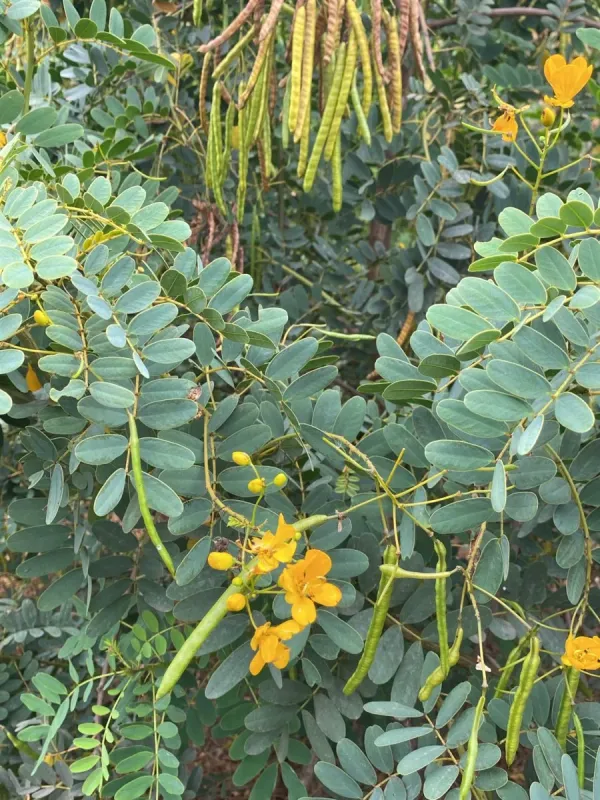
Description
Sowing dates
Sowing of Senna candolleana seeds is best performed in early spring once the soil has warmed up sufficiently. A consistent temperature is critical for triggering the germination process after the dormant stage.
Seeds possess a hard coat, so mechanical scarification or soaking in warm water for several hours is recommended. This treatment increases the rate of water absorption and ensures a much higher germination percentage.
Seeds should be planted in a well-draining potting mix at a depth of approximately 1 to 2 centimeters. Maintaining a stable environment with high humidity and warmth will help the seedlings emerge uniformly within two to three weeks.
Once the risk of frost has passed, seedlings can be transplanted into the field. Proper spacing, typically at least one meter apart, is essential to allow for the future expansion of the root system and canopy development.
After sowing, keep the substrate moist but not waterlogged. Using a light mulch over the soil surface can help maintain a stable soil temperature and prevent the upper layer from drying out too quickly during initial growth.
Growing requirements
Senna candolleana is a perennial evergreen shrub belonging to the Fabaceae family. It thrives in locations with full sun exposure, as sufficient light intensity is crucial for its vigorous growth and vibrant flowering.
The plant prefers fertile, well-draining soils with a neutral or slightly acidic pH balance. Heavy or compacted soils should be amended with organic matter or sand to ensure proper aeration and drainage for the roots.
While the species exhibits moderate drought tolerance once established, consistent irrigation during the peak growing season is necessary for optimal performance. Overwatering, however, must be avoided to prevent root diseases.
Ideal temperatures for growth range between 18 and 28 degrees Celsius. Being a species sensitive to cold, it requires protection or indoor overwintering in regions that experience severe freezing temperatures.
Regular pruning is required to maintain the shrub's shape and density. By removing old or weak branches, you encourage the development of new, healthy shoots that are more likely to produce an abundance of flowers during the season.
Yield
The primary use of Senna candolleana is within ornamental horticulture, where it is valued for its striking foliage and attractive blooms. It serves effectively as a focal point in landscapes or as a component of decorative hedges.
As a member of the legume family, it possesses the ability to form a symbiotic relationship with nitrogen-fixing bacteria. This feature contributes to soil health, making it beneficial for sustainable garden designs.
The productivity of the shrub is measured by its canopy density and flowering intensity. Proper nutrient management, specifically low-nitrogen fertilizers applied late in the season, helps the plant harden off before winter.
Although not a primary crop for mass agriculture, the potential extraction of phytochemicals from its biomass is an area of interest. Future studies may reveal further industrial applications for its specific components.
Strategic care ensures that the plant remains productive and aesthetically pleasing for many years. Regular sanitation and thinning help redistribute energy toward healthy parts of the plant, extending its lifespan significantly.
Main diseases and pests
Common pests affecting Senna candolleana include aphids and spider mites, which feed on the sap of young tissues. Monitoring the foliage, particularly the undersides of leaves, is necessary for early detection and control.
Root rot is the most common disease encountered in this species, usually resulting from poor drainage or overwatering. Infected plants exhibit wilting, yellowing, and necrotic tissue at the base of the stems.
Powdery mildew can become an issue if the shrub is planted in areas with stagnant air and high humidity. It manifests as a white, dusty layer on the leaves, which can inhibit photosynthesis if left untreated.
Integrated pest management should be used to minimize the impact of threats. This includes using organic insecticidal soaps for early pest infestations and improving ventilation around the base of the shrub.
- Pruning diseased branches to prevent spreading.
- Improving soil drainage through structural amendments.
- Applying preventative fungal sprays during high-humidity seasons.
Harvesting
Seed harvesting should occur once the seed pods turn dark brown and reach full maturity. Collecting them before the pods shatter naturally is critical to ensuring a successful harvest of viable seeds.
If harvesting for leaf material, the best time is during the peak flowering stage when the concentration of secondary metabolites is at its highest. Sharp, sterilized tools should be used for all cutting tasks.
Drying the harvested material is a delicate process that must be performed in a shaded, well-ventilated area. Rapid drying in direct sunlight can cause the degradation of essential plant compounds and discolouration.
After the material is thoroughly dried, it should be stored in opaque, airtight containers. Proper storage conditions ensure that the biological properties of the plant material are preserved for later use.
Always maintain a balance when harvesting, ensuring that at least two-thirds of the plant remains intact. This prevents overstressing the shrub and allows it to recover its foliage density quickly following the harvest.