
Senegalia galpinii
Senegalia galpinii (Burtt Davy) Seigler & Ebinger
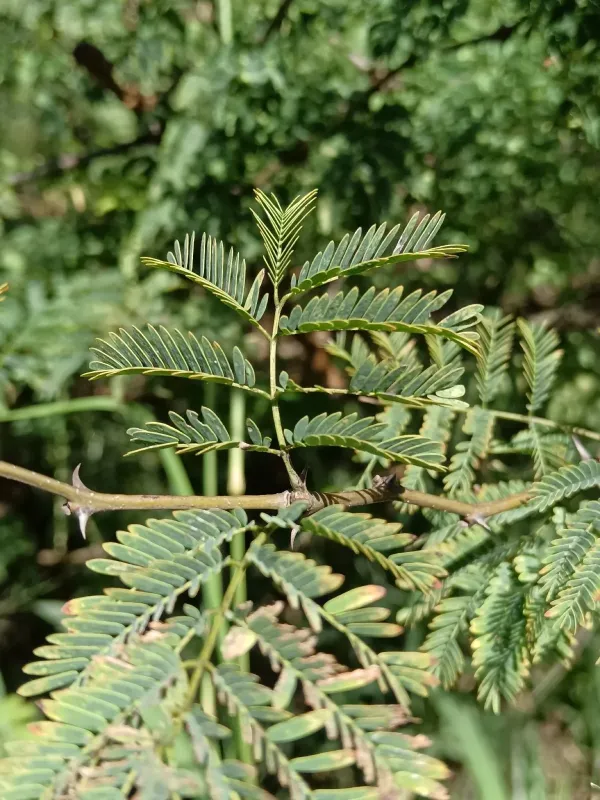
Description
Sowing dates
Propagation of Senegalia galpinii in nurseries is typically performed via seeds. Given their hard seed coat, seeds require scarification to allow water absorption and trigger the germination process effectively.
The optimal sowing season begins when soil temperatures consistently reach 20-25 degrees Celsius. Seeds should be planted at a depth of 1-2 centimeters in a well-drained, nutrient-rich substrate.
In the wild, germination is often stimulated by heat from fires. In an agricultural setting, this is replicated by pre-treating seeds with hot water or manual abrasion of the outer seed coat.
Young seedlings require protection from direct, harsh sunlight during their early development stages. Transplanting to a permanent location is best performed at the onset of the rainy season to allow establishment before drought.
Good drainage is critical for healthy root formation. Using containers with adequate drainage holes prevents waterlogging, which can be fatal to young specimens of this leguminous species.
Growing requirements
Senegalia galpinii is a member of the Fabaceae family and grows as a large deciduous tree. It is well-adapted to tropical and subtropical climates, showcasing vigorous growth habits.
This species demands full sun exposure to flourish. Sufficient light is necessary for the development of dense wood and a robust canopy, as shade-grown specimens tend to be weaker and more susceptible to diseases.
It displays high drought tolerance, which is a major advantage in arid regions. However, for maximum growth rates in timber plantations, supplemental irrigation is recommended during the first few years.
The tree thrives in various soil types, including rocky and relatively poor soils. A neutral to slightly acidic pH is ideal for optimizing nutrient uptake through the root system.
Its wind resistance makes it an excellent choice for windbreaks. The powerful and deep root structure allows the tree to withstand strong winds while simultaneously preventing soil erosion in open landscapes.
Yield
The primary economic use of Senegalia galpinii is the production of high-quality, extremely hard timber. Growth rates are contingent upon water availability and soil fertility levels.
The wood is highly valued for its durability, attractive grain pattern, and resistance to decay. It is widely used in high-end furniture manufacturing, flooring, and various structural carpentry projects.
The species serves an important ecological role as an nitrogen-fixer. Through symbiotic relationships with bacteria in its root nodules, it contributes to soil fertility restoration in degraded areas.
In landscaping, its utility is measured by its aesthetic appeal as a shade tree. Its unique bark and wide-spreading crown make it a popular choice for parks and municipal planting projects.
Foliage and pods can serve as a supplementary fodder source for livestock during dry periods. This integration of forestry and light grazing can be managed effectively if tree density is properly controlled.
Main diseases and pests
Fungal infections are the most common threats to Senegalia galpinii, especially in high-humidity environments. Root rot can occur if soil management and drainage are neglected.
Pests such as aphids and scale insects may attack young shoots. These pests weaken the tree by extracting sap and can lead to stunted growth if left unmanaged over long periods.
Bruchid beetles are known to infest the seeds, significantly reducing viability. Proper seed storage and treatment after harvesting are essential to preserve the genetic material for future planting.
Termites can present a significant challenge in tropical climates, as they bore into the wood of mature trees. Regular monitoring is essential to ensure the longevity of the timber stand.
- Routine application of fungicides if symptoms appear.
- Pruning of dead or diseased branches to maintain health.
- Keeping the area around the base clean of debris.
- Integrated pest management to control sap-sucking insects.