
Ohwia caudata
Ohwia caudata
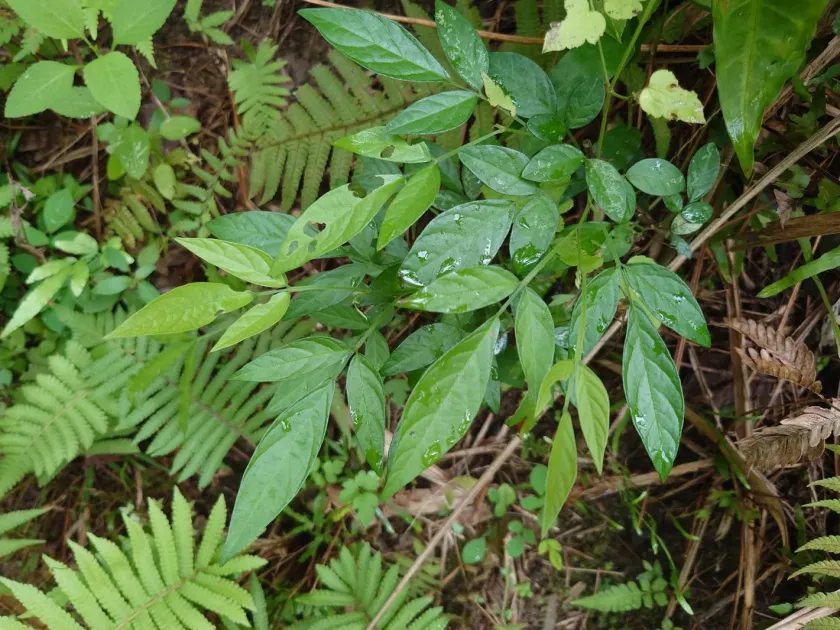
Description
Sowing dates
Ohwia caudata is a perennial leguminous shrub that is typically established through seeds. Sowing is best performed in early spring once soil temperatures reach a consistent 12–15°C.
Seed scarification is highly recommended prior to planting to break the hard seed coat, which significantly improves the germination rate and uniformity of the crop stand.
The seeds should be planted at a shallow depth of approximately 1.5–2 cm, ensuring optimal moisture uptake while allowing enough sunlight for emerging shoots.
Row planting is the preferred method for this species, as it allows for proper aeration and provides sufficient space for the plant to expand during its multi-year life cycle.
Early sowing helps the plants establish a deep taproot system before the onset of summer heat, which is vital for the long-term resilience of the crop in various climates.
Growing requirements
Ohwia caudata thrives in well-drained, fertile soils with a neutral or slightly acidic pH level, as it is sensitive to waterlogged conditions that can cause root decay.
The crop is photophilous and requires full sun exposure for optimal growth, meaning it should be cultivated in open fields without interference from shade-casting structures.
Temperature-wise, the plant prefers warm conditions between 20°C and 28°C; however, it shows impressive tolerance to heat and brief droughts once fully established.
Supplementing the soil with phosphorus and potassium is beneficial for stimulating growth and enhancing the plant's natural nitrogen-fixing capabilities through symbiotic bacteria.
Proper soil management, including regular weeding, is necessary in the first year of growth to ensure the young plants are not outcompeted by aggressive weeds.
Yield
The primary use of Ohwia caudata is as a high-protein forage crop, which can be harvested for hay or used directly for green feed in livestock production systems.
Yield productivity peaks during the second and third years, when the plant matures into a substantial bush capable of supporting multiple cuts within a single growing season.
The nutritional profile of the harvested biomass is rich in proteins and minerals, making it an excellent candidate for improving the quality of ruminant animal feed.
Dry matter yields are highly dependent on water availability and the timing of the first harvest, which should align with the budding phase to maximize feed quality.
Seed production requires careful monitoring, as the pods reach maturity asynchronously, necessitating selective harvesting or manual collection to prevent seed loss.
Main diseases and pests
The primary insect pests associated with this legume are nodule weevils, which can cause significant damage to young foliage and affect early-stage root development.
Root rot caused by fungal pathogens is a frequent issue in poorly drained fields, often resulting in stunted growth or plant mortality during wet seasons.
Leaf spot diseases can also occur, particularly in humid environments, reducing the total photosynthetic area and lowering the overall protein content of the forage.
Aphid infestations may become problematic during hot, dry spells, necessitating the use of targeted biological or chemical controls to maintain crop health.
Maintaining a balanced crop rotation cycle is essential to interrupt the life cycles of soil-borne pests and reduce the accumulation of pathogens in the field.
Harvesting
Harvesting for forage is ideally conducted at the onset of the flowering stage, which ensures the best trade-off between total biomass volume and digestible protein content.
It is important to use appropriate cutting machinery to minimize leaf shattering, as the leaves are the most nutrient-dense part of the plant for animal feed.
After the harvest, the crop should be allowed a recovery period to replenish root reserves, especially before the plant enters dormancy in colder climates.
If producing hay, the biomass must be thoroughly dried in a ventilated environment to prevent mold growth, which can render the high-quality forage toxic or unpalatable.
Proper storage of the harvested material is crucial, as the high protein content makes the forage attractive to various spoilage organisms if moisture levels remain high.