
Corsican broom
Genista corsica
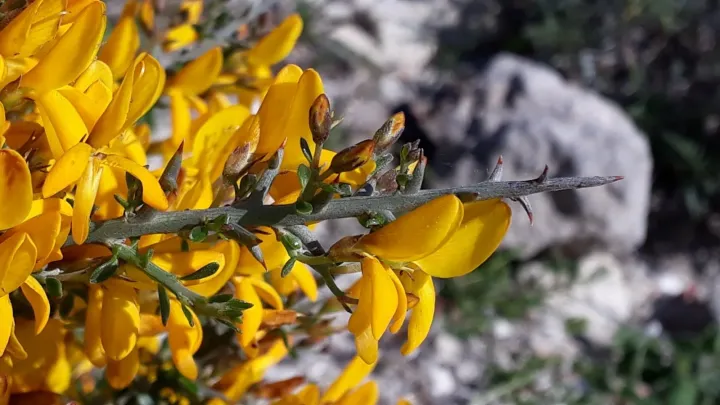
Description
Sowing dates
Propagation of the Corsican broom is typically achieved through seeds or semi-hardwood cuttings. Seeds should be sown in spring into well-drained sandy soil, often requiring a period of cold stratification to improve germination rates.
When using vegetative propagation, semi-hardwood cuttings are taken in late summer. These are rooted in a greenhouse environment within a mix of peat and sand, maintaining consistent moisture levels until roots develop.
Young plants require protection from harsh direct sunlight during the first few weeks after transplanting. It is essential to maintain a planting distance of approximately 60–80 cm to ensure adequate air circulation around the plants.
Planting holes should be twice the size of the root ball, with a drainage layer of gravel or crushed brick placed at the bottom. The root collar must be kept level with the soil surface to prevent stem rot.
After planting, the area should be thoroughly watered and mulched with organic matter. As the plant is sensitive to transplanting, selecting a permanent location at the beginning of the cultivation cycle is crucial.
Growing requirements
Genista corsica is a compact shrub belonging to the Fabaceae family, known for its exceptional drought tolerance and preference for full sun exposure. It is native to the rocky landscapes of Corsica and Sardinia.
The culture thrives in light, sandy, or loamy soils with a neutral to slightly acidic pH level. A key success factor is excellent soil permeability, as standing water can be detrimental to the root system.
This species shows high climate adaptability but requires winter protection in colder regions outside its natural range. It is well-suited for rocky slopes and open areas where soil quality is relatively poor.
The optimal soil pH for this broom species ranges from 6.0 to 7.5. Over-fertilization, especially with nitrogen, should be avoided as it stimulates excessive vegetative growth at the expense of flower production and cold hardiness.
Given its natural habitat on open slopes, the Corsican broom requires intense natural light to maintain its compact shape. In landscape design, this makes it an ideal choice for rock gardens and sunny borders.
Main diseases and pests
The primary threats to Genista corsica include fungal infections, which are often exacerbated by poor air circulation and waterlogged soil conditions. Powdery mildew can affect the foliage in humid, stagnant air.
Common pests like aphids and spider mites may target young shoots during hot and dry spells. Routine inspection of the plants is recommended to detect any early signs of infestation and manage them before they spread.
Root rot is the most dangerous condition for this shrub, caused by poor soil drainage. Once established, it can rapidly compromise the health of the plant, often leading to irreversible damage.
Preventative measures include proper plant spacing and seasonal pruning of dead or weak branches to encourage better airflow. This practice significantly reduces the likelihood of both fungal pathogens and pest outbreaks.
In cases of confirmed infection, systemic fungicides containing copper are recommended. For pest management, approved systemic insecticides applied according to label directions help maintain the vigor of the shrubs.