
Orchid tree
Bauhinia variegata L.
Description
Sowing dates
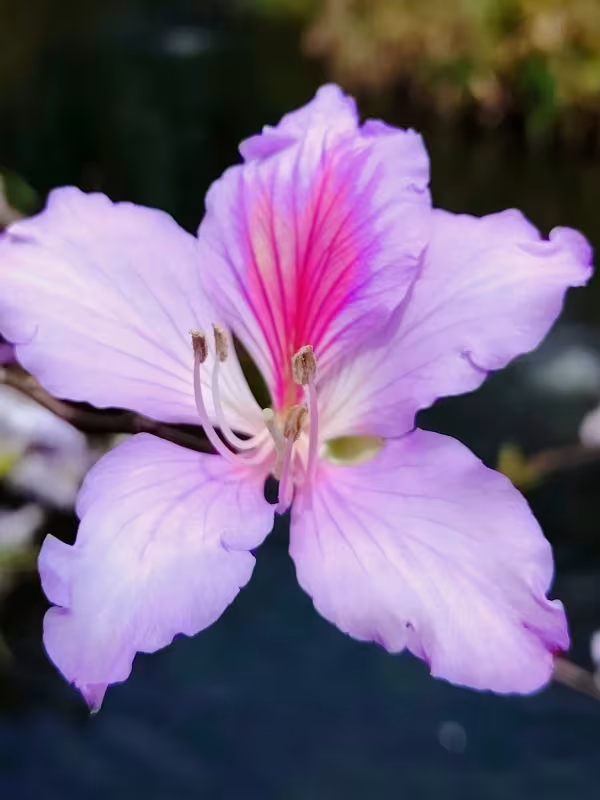
Bauhinia variegata L., commonly known as the orchid tree, is a member of the Fabaceae (legume) family, noted for its beautiful, orchid-like flowers.
To propagate by seed, soak the seeds in warm water for 24 hours to soften the hard outer coat and improve germination rates significantly.
Sow seeds in a well-draining soil mix, covering them with approximately 1–2 centimeters of soil, and place the containers in a warm, bright location.
Germination typically occurs within two to four weeks depending on the temperature, which should ideally be maintained between 22 and 26 degrees Celsius.
Once seedlings have developed two or three sets of true leaves, they should be transplanted into individual pots to allow for strong root development.
Growing requirements
This species thrives in tropical and subtropical climates, requiring full sun exposure to maintain its vigorous growth and produce abundant flowers.
The ideal soil should be well-drained and slightly acidic to neutral in pH. Avoid waterlogged conditions, as they can cause severe root damage and decay.
Watering should be consistent throughout the growing season, though the plant shows moderate drought tolerance once it is fully established in the landscape.
Temperature management is crucial; the plant is sensitive to frost and freezing temperatures, requiring protection in cooler regions during the winter months.
Occasional pruning is recommended to shape the canopy, promote bushier growth, and improve the overall airflow, which reduces the incidence of plant diseases.
Main diseases and pests
Common pests affecting this culture include spider mites, aphids, and scale insects, which can cause significant yellowing and deformation of leaves.
Fungal diseases, such as leaf spot and various rots, are often associated with poor drainage or high humidity, requiring careful management of watering practices.
Regular inspection of the underside of leaves and branch junctions is necessary for early detection of pest infestations before they spread to the whole tree.
Sanitation is a vital part of disease management; all fallen leaves and diseased branches should be removed and destroyed to minimize inoculum levels.
Integrated pest management strategies, including the use of neem oil or insecticidal soaps, are generally effective in maintaining the health of the tree.
Harvesting
The primary use of Bauhinia variegata is as a popular ornamental tree for landscaping, urban beautification, and providing shade in public park systems.
Edible parts include the flower buds and young leaves, which are widely consumed in South Asian cuisine in curries, salads, and vegetable dishes.
The timber of the orchid tree is moderately hard and is used in rural areas to manufacture simple wooden tools, furniture, and various household handicrafts.
The bark of the tree is rich in tannins, making it a valuable resource for local leather tanning industries and traditional medical formulations.
Sustainable harvesting of leaves and flowers requires careful monitoring of the tree's health to ensure that the plant retains its decorative function.