
Anthonotha macrophylla
Anthonotha macrophylla
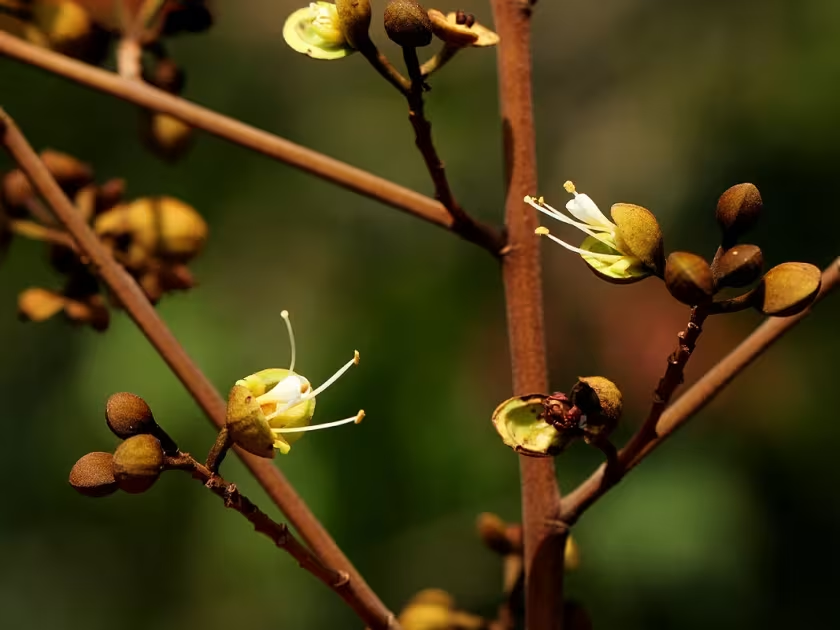
Description
Sowing dates
Anthonotha macrophylla is primarily propagated through seeds. It is recommended to sow seeds in prepared nursery beds or containers immediately after collection, as they have a relatively short viability period and must be planted while fresh to ensure maximum germination rates.
Under tropical conditions, seeds typically germinate within several weeks when exposed to temperatures between 25 and 30 degrees Celsius. Maintaining consistent soil moisture is crucial during this stage, though farmers must avoid waterlogging to prevent seed rot.
Transplanting seedlings to their final location is best timed with the onset of the rainy season, which facilitates optimal root establishment. Planting density varies based on the intended use, with closer spacing (1–2 meters) being standard for living fences or hedgerows.
To boost growth during the establishment phase, applying a small amount of organic fertilizer into the planting hole is a recommended practice. Selecting high-quality seeds from healthy parent trees significantly improves survival rates in field conditions.
Young plants require temporary shading for the first few months after transplanting. This practice is essential to reduce transpiration rates and help the plants adapt to their new environment successfully.
Growing requirements
Anthonotha macrophylla is a member of the Fabaceae family and thrives in tropical rainforest environments. The species prefers hot and humid conditions with annual rainfall exceeding 1500–2000 mm, showing little tolerance for prolonged dry spells.
The tree adapts well to various soil types, including poor or acidic tropical soils, due to its ability to form symbiotic relationships with nitrogen-fixing bacteria. However, it exhibits the most vigorous growth on deep, well-drained loams rich in organic matter.
Full sun exposure is preferred by mature trees for optimal wood development and biomass accumulation, although seedlings may tolerate partial shade in their early developmental stages. It is frequently found in secondary forests across West and Central Africa.
In agroforestry systems, the tree is highly valued for its massive production of foliage. The leaves are rich in nitrogen and decompose rapidly, making them an excellent source of green mulch that improves soil fertility and physical structure.
The optimal temperature range for vegetation is 22–32 degrees Celsius. The species is highly sensitive to frost or extreme temperature fluctuations, which can cause significant damage to young shoots and hinder overall plant productivity.
Yield
In an agricultural context, the yield of Anthonotha macrophylla is measured primarily by its biomass production. The foliage is harvested regularly to serve as organic fertilizer for adjacent crops, effectively closing the nutrient cycle.
With systematic pruning conducted 2–3 times per year, a single tree can produce a substantial amount of organic matter. The total yield is directly dependent on soil fertility, moisture availability, and the frequency of management interventions.
Although not a primary industrial timber species, the wood of this tree is locally valued for its durability. It is used to manufacture small carpentry items, tool handles, and serves as a reliable, high-quality source of fuelwood.
Seed production typically begins when the tree reaches 5–7 years of age. Under favorable conditions, the tree produces a prolific amount of pods annually, allowing for natural stand regeneration or the collection of seeds for farm expansion.
By contributing to soil health and nitrogen cycling, Anthonotha macrophylla indirectly enhances the productivity of main staple crops like maize or yams, proving its economic value as an essential component of integrated farming.
Main diseases and pests
The primary threats to young seedlings include rodents and large herbivores, which may damage the bark or consume succulent shoots. Such damage can significantly delay the tree's growth and survival in open field systems.
Root rot diseases are a frequent issue, often triggered by waterlogged conditions or poor soil drainage. These pathologies are usually indicated by yellowing foliage, premature leaf drop, and gradual wilting of the entire canopy.
Insect pests, such as leaf beetles and various caterpillars, can cause significant damage to the leaf blade, especially during peak breeding seasons. Mature trees usually show strong resilience and recover quickly from minor infestations.
Competition from weeds is a major challenge during the first years of the tree's life. Regular weeding of the root zone and the removal of aggressive climbing vines are necessary maintenance tasks to ensure the tree's healthy development.
Mechanical damage to the trunk or branches during inter-row cultivation serves as a common entry point for pathogens. Careful management of farming machinery is essential to preserve the structural integrity and health of the trees.