
African Anonychium
Anonychium africanum
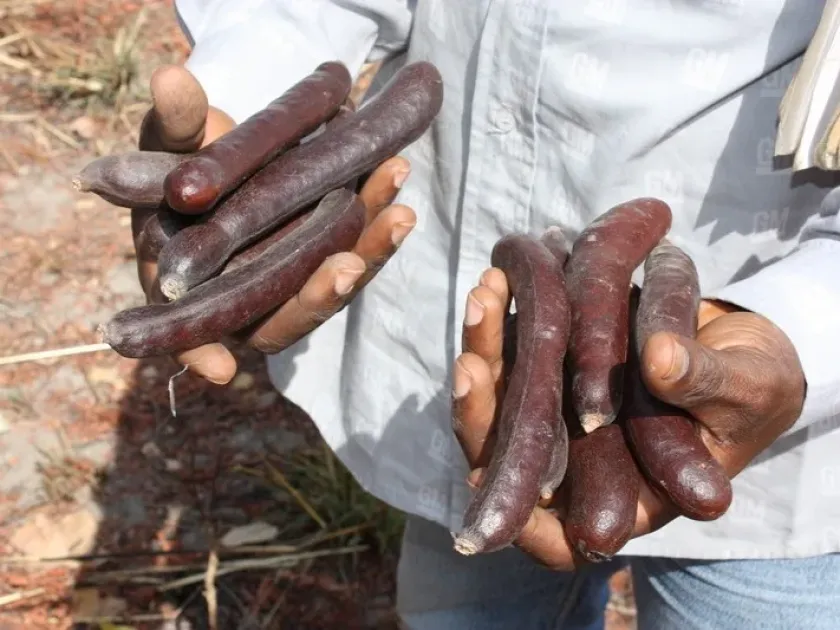
Description
Growing requirements
African Anonychium (Anonychium africanum) is a herbaceous plant belonging to the grass family (Poaceae). It is native to the African continent, where it serves as a key component of the local vegetation, often found in regions with significant tropical influence.
The crop requires well-drained, nutrient-rich soils to thrive. It performs best in environments where soil structure supports deep root penetration, allowing the plant to access moisture reserves during periods when surface water is limited.
Temperature and light are the primary drivers of growth for this species. It demands a warm climate and full sun exposure, as it is highly sensitive to frost. In its native range, it is well-adapted to the seasonal cycles typical of the African savanna and tropical grasslands.
Agrotechnical management involves regular soil aeration and strategic fertilization to maintain high yields of biomass. Farmers usually employ controlled grazing cycles to ensure the plant maintains its vigor and reproductive capability throughout the growing season.
The primary agricultural application is as a forage crop. Its ability to provide high-quality fodder for livestock makes it a significant resource in pastoral systems, where sustainability and quick regrowth are essential for maintaining herd productivity.
Main diseases and pests
Fungal diseases, specifically leaf rusts, can become problematic during periods of high humidity. Effective management involves selecting well-drained sites and managing plant density to ensure adequate airflow through the canopy.
Insect pests such as locusts and various grasshoppers are the most significant threats to the foliage. Integrated pest management strategies, focusing on monitoring and biological control, are essential to minimize crop losses in commercial forage production.