
Acacia cognata
Acacia cognata Domin
Description
Growing requirements
Acacia cognata, commonly known as the river wattle, is a prominent member of the Fabaceae family. This evergreen shrub is highly valued in horticulture for its graceful, weeping habit.
Native to southeastern Australia, the plant naturally thrives in well-drained, sandy loam soils along watercourses. It is a highly ornamental species used extensively in modern landscaping projects.
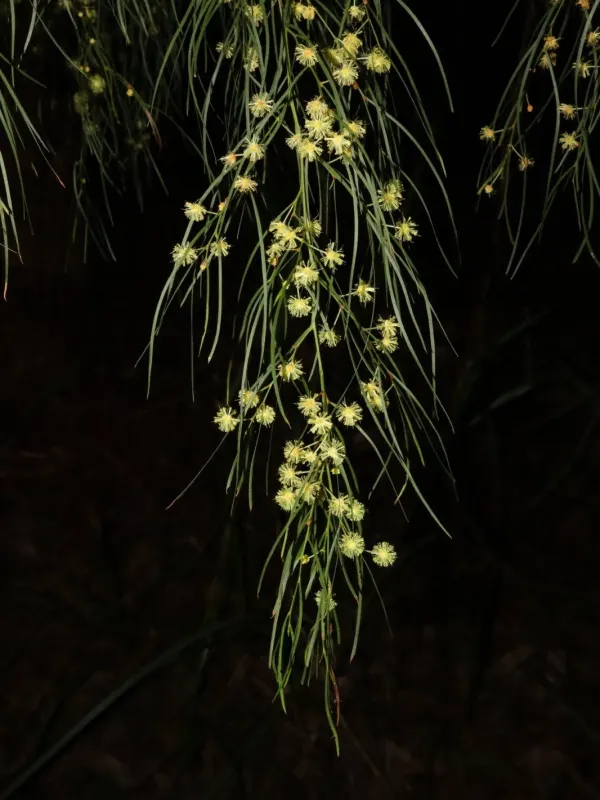
The botanical structure is defined by long, narrow, bright green phyllodes that create a soft, fountain-like appearance. Its small, pale-yellow globular flowers bloom during the spring season.
Climate requirements include protection from heavy frosts and strong winds. While it is adaptable, it performs best in regions with mild winters and consistent access to moderate sunlight.
Maintenance involves ensuring the soil remains light and airy. It is essential to choose a planting location with excellent drainage to prevent root moisture accumulation, which the plant does not tolerate.
Main diseases and pests
Root rot, primarily caused by Phytophthora species, is the most critical threat to the river wattle. It often occurs when the soil structure is heavy or becomes waterlogged after irrigation.
Mealybugs are frequently observed on the stems and leaf axils. These pests secrete a white, waxy substance and can significantly reduce the vitality of the plant if left untreated.
Scale insects can attach themselves to the bark, causing stunted growth and yellowing of the foliage. Manual removal or systemic horticultural oils are typically recommended for control.
Nutrient deficiency, specifically related to the sensitivity to phosphorus, is a common issue. Gardeners should strictly use fertilizers specifically formulated for Australian native plants to avoid toxicity.
Pruning is essential for hygiene; removing dead or diseased wood helps maintain airflow throughout the canopy and reduces the risk of secondary fungal infections during humid periods.