
Acacia leptocarpa
Acacia leptocarpa A. Cunn. ex Benth.
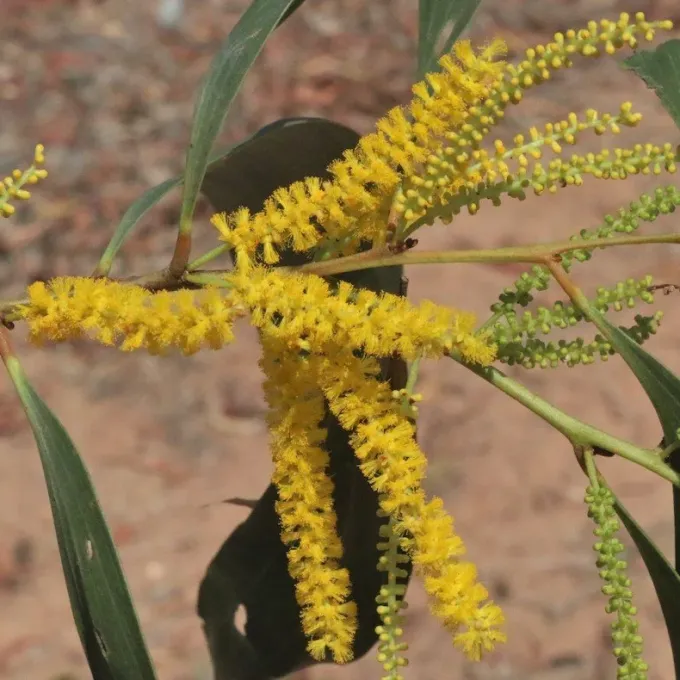
Description
Growing requirements
Acacia leptocarpa (Acacia leptocarpa) is a member of the Fabaceae family, native to the tropical regions of northern Australia and adjacent islands. It typically grows as a small to medium-sized tree, often reaching heights of 6 to 12 meters.
This species thrives in tropical climates characterized by distinct wet and dry seasons. It is highly valued for its remarkable ability to withstand prolonged drought, making it an excellent candidate for reforestation in arid landscapes.
The tree shows a high level of adaptability to various soil types, including sandy, lateritic, and low-nutrient soils. It performs best in well-drained locations, ensuring that root systems remain healthy even during periods of heavy monsoon rainfall.
Botanically, the foliage of Acacia leptocarpa consists of phyllodes, which are modified petioles acting as photosynthetic organs. This evolutionary adaptation significantly reduces water loss, allowing the plant to maintain growth despite high solar radiation.
Economically, the species is highly regarded for its dense, durable wood, which is suitable for construction, flooring, and charcoal production. Furthermore, it serves a critical role in preventing soil erosion and improving soil fertility due to its nitrogen-fixing capabilities.
Main diseases and pests
The primary threat to Acacia leptocarpa plantations includes wood-boring insects. Larvae of these pests tunnel into the stem, weakening the structural integrity of the tree and potentially reducing the commercial value of the timber.
Root rot, caused by various soil-borne fungi, can occur in poorly drained sites or regions with excessive moisture accumulation. Proper site selection and site preparation are essential to minimize the risk of pathogen outbreaks.
Herbivory presents a significant challenge for young seedlings. Browsing by feral or domestic animals can stunt growth or lead to the total loss of saplings, necessitating the use of physical barriers or protective fencing.
Epiphytic parasitic plants, such as mistletoe, often colonize the crown of mature trees. While not always fatal, heavy infestations can cause branch dieback and significantly reduce the overall vigor of the tree.
Wildfires pose a recurring risk in the tree's natural habitat. Although Acacia species are somewhat resilient to heat, high-intensity fires can permanently damage the bark and cambium, leading to increased susceptibility to secondary pests and diseases.