
Acacia cognata x Acacia verniciflua
Acacia cognata x Acacia verniciflua
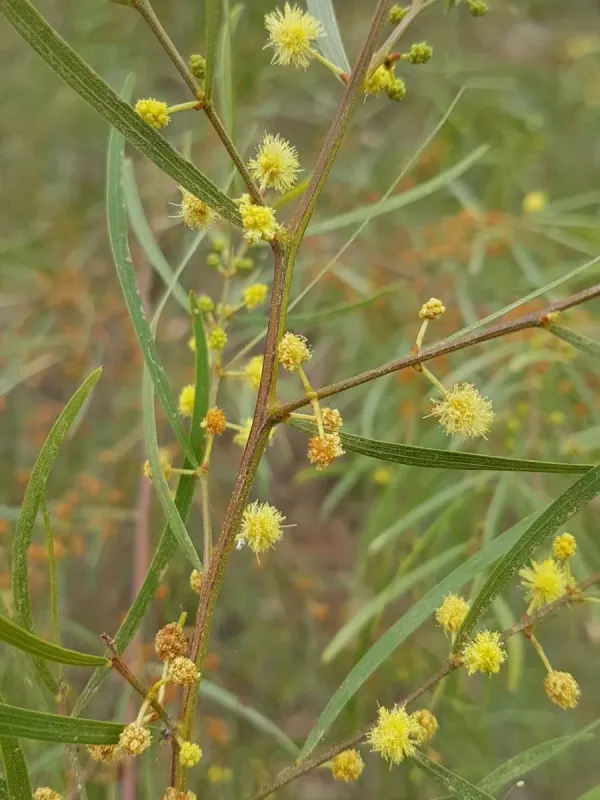
Description
Growing requirements
This plant is an interspecific hybrid belonging to the Fabaceae family, blending the architectural foliage of Acacia cognata with the robust environmental adaptation of Acacia verniciflua. It is highly valued as an ornamental specimen in gardens and urban landscapes.
The culture thrives in bright, well-lit areas but benefits from partial shade during the peak of summer heat to prevent leaf desiccation. Proper placement significantly influences the density and color intensity of its foliage throughout the growing season.
Soil requirements focus on excellent drainage capacity. Like many Australian natives, this hybrid is susceptible to root rot if placed in heavy, waterlogged clay soils; it performs best in sandy loam or aerated potting mixes with slightly acidic pH levels.
Regarding climate, this hybrid requires protection from severe frost. While it exhibits some tolerance to cool conditions, sustained freezing temperatures can damage the fine terminal branches and foliage, necessitating careful site selection or container management.
Standard agrotechnical practices involve minimal but consistent maintenance. Occasional pruning is essential to stimulate lateral growth, which results in the characteristic weeping or rounded habit that makes this hybrid a popular choice for professional landscapers.
Main diseases and pests
Aphids and scale insects are the most common pests that target new growth. These pests extract sap, which can cause leaf curling and stunted shoot development, requiring integrated pest management strategies for effective control.
Powdery mildew can emerge in humid, stagnant air conditions, especially within the inner sections of the shrub. Ensuring sufficient spacing between plants and adequate airflow is the most effective cultural method to mitigate the risk of fungal spread.
Phytophthora root rot remains a primary threat to the long-term viability of the plant. Since there is no simple cure once the root system is severely compromised, prevention through strict irrigation control and high-quality soil drainage is paramount.
Spider mites can proliferate rapidly in dry, hot weather, leading to chlorotic spots on the foliage. Routine water spraying of the canopy and the application of targeted acaricides help to prevent these infestations from reaching damaging levels.
Mechanical damage to the stems and root collar provides entry points for various opportunistic pathogens. Maintaining a clean and undisturbed root zone is a critical agrotechnical step to ensure the plant maintains its vigor throughout its lifespan.