
Acacia welwitschii
Acacia welwitschii
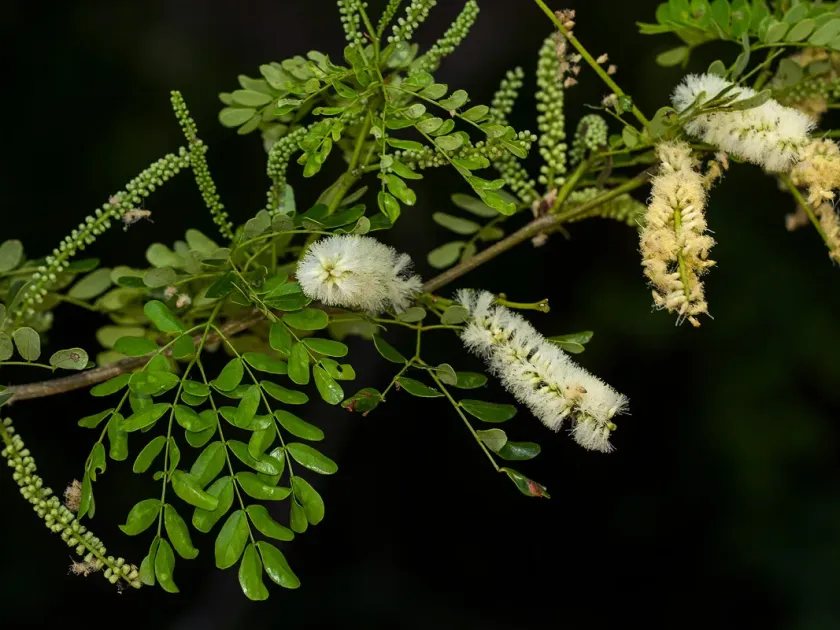
Description
Growing requirements
Acacia welwitschii is a significant deciduous tree species belonging to the Fabaceae family. Known for its structural strength and ecological adaptability, it is a prominent component of the savannah landscapes in southern and central parts of the African continent.
The native range of this culture includes countries like Angola, Namibia, and Zimbabwe, where it thrives in diverse environments ranging from dry woodlands to alluvial soils near riverbeds. It is well-adapted to the seasonal extremes of the tropical climate, including long periods of drought.
For optimal growth, this tree requires well-drained soil and plenty of direct sunlight. While it is highly drought-tolerant, its early development stages benefit from proper soil aeration to ensure the deep root system can establish itself effectively without the risk of rot.
The wood of Acacia welwitschii is highly regarded for its physical properties, specifically its hardness, density, and natural resistance to decay and termites. These attributes make it an excellent material for heavy-duty construction, high-end furniture manufacturing, and flooring.
In terms of agricultural and environmental value, the tree acts as an effective nitrogen fixer. This process helps restore soil health, making it a valuable species for reforestation projects aimed at stabilizing degraded land and preventing soil erosion in semi-arid regions.
Main diseases and pests
The main threats to this tree include specific wood-boring beetles and fungal pathogens that often attack trees weakened by environmental stress or improper water management. Maintaining plantation hygiene and ensuring adequate spacing are critical for disease prevention.