
Acacia adunca
Acacia adunca
Description
Growing requirements
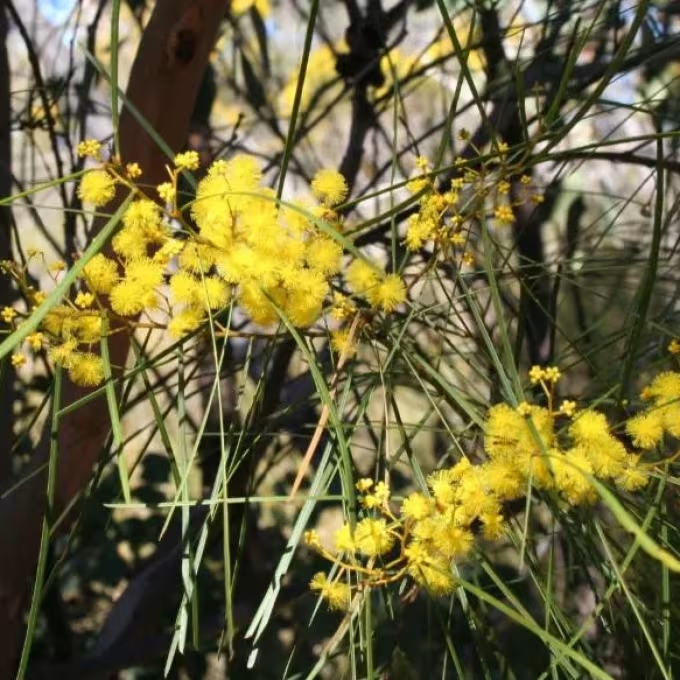
Acacia adunca, commonly known as the Wallangarra wattle, belongs to the Fabaceae family and is an evergreen shrub or small tree. It is recognized for its slender, graceful habit and bright yellow flowers that appear in spring, creating a vibrant display in the landscape.
Native to eastern Australia, specifically parts of New South Wales and Queensland, this species is well-adapted to Mediterranean and temperate climates. It thrives in regions with moderate rainfall, showing strong resilience to periods of seasonal dryness once established.
To cultivate Acacia adunca successfully, a site with well-drained soil and full sun exposure is essential. It performs well in various soil textures, including sandy and slightly acidic loam, provided the drainage is adequate to prevent root suffocation.
The plant is highly valued for its ability to fix atmospheric nitrogen through symbiotic relationships with bacteria in its root nodules. This feature makes it an excellent choice for improving soil quality in degraded areas and as part of sustainable agroforestry projects.
Maintenance involves minimal irrigation after the initial establishment phase, as mature plants are quite drought-tolerant. Protecting the young trees from frost is recommended, especially in areas prone to sudden temperature drops, to ensure healthy canopy development.
Main diseases and pests
Common pests affecting this species include scale insects and mealybugs, which tend to infest the stems and leaves. Regular inspections and the use of horticultural oils are effective methods for managing these populations before they cause significant damage.
Root rot is the most serious disease risk, typically triggered by waterlogged conditions or poor soil structure. Selecting planting sites with excellent natural drainage is the best preventative measure to maintain the health of the tree.
Fungal leaf spot diseases can occur during humid or rainy seasons, manifesting as discolored areas on the foliage. Improving air circulation through periodic thinning of the canopy helps significantly reduce the impact of these environmental stressors.
While the tree is relatively hardy, overcrowding in plantations can lead to rapid spread of pathogens. Proper spacing between individual trees ensures adequate ventilation and exposure to sunlight, both of which are crucial for disease resistance.
The practical uses of Acacia adunca extend to windbreak establishment, erosion control, and providing habitat for local pollinators. Its multipurpose nature as both a decorative and functional plant makes it a staple in various ecological restoration initiatives.