
Acacia anceps
Acacia anceps
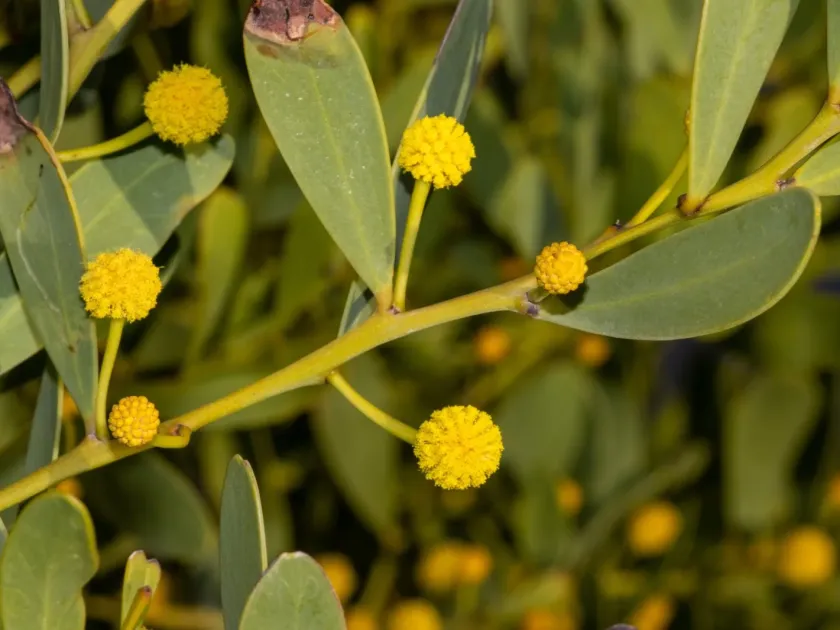
Description
Growing requirements
Acacia anceps is a resilient evergreen shrub belonging to the Fabaceae family, native to the coastal and semi-arid regions of South Australia. It is highly valued for its ability to thrive in challenging environments where other plant species struggle to survive.
The species requires well-drained, sandy or limestone-based soils. It is particularly adapted to saline coastal breezes, making it an excellent candidate for maritime landscaping and xeriscaping projects in sunny locations.
Botanically, it features leathery phyllodes that act as leaves, which are specifically designed to minimize water loss through transpiration. This structural adaptation, combined with a deep root system, grants the plant significant drought tolerance.
In terms of agricultural management, Acacia anceps requires minimal fertilization and maintenance. It is a slow-to-moderate grower, necessitating adequate spacing from other plants to allow for healthy air circulation and canopy development.
The plant serves multiple purposes, including erosion control on slopes and decorative use due to its vibrant yellow globular flower heads. It provides an essential habitat for local fauna, including pollinating insects and small birds.
Main diseases and pests
The most common threat to the health of Acacia anceps is waterlogging. Poorly drained soil, especially during winter months, creates an anaerobic environment that leads to fatal root rot pathogens.
Pests such as scale insects may occasionally infest the stems, particularly in young plants that are under heat stress. Early detection and the application of horticultural oils can successfully manage these outbreaks.
Weed competition during the initial planting phase is a significant threat that can stunt growth. Regular weeding and the application of organic mulch around the base help keep the root zone clean and moist.
Leaf-eating caterpillars may appear in specific seasons, though they rarely cause structural damage to established mature shrubs. Manual removal is often sufficient for small-scale garden settings.
In humid inland areas, powdery mildew can sometimes affect the foliage if the air circulation is inadequate. Selecting a planting site with constant airflow is a necessary preventative measure for this species.