
Victoria wattle
Acacia victoriae
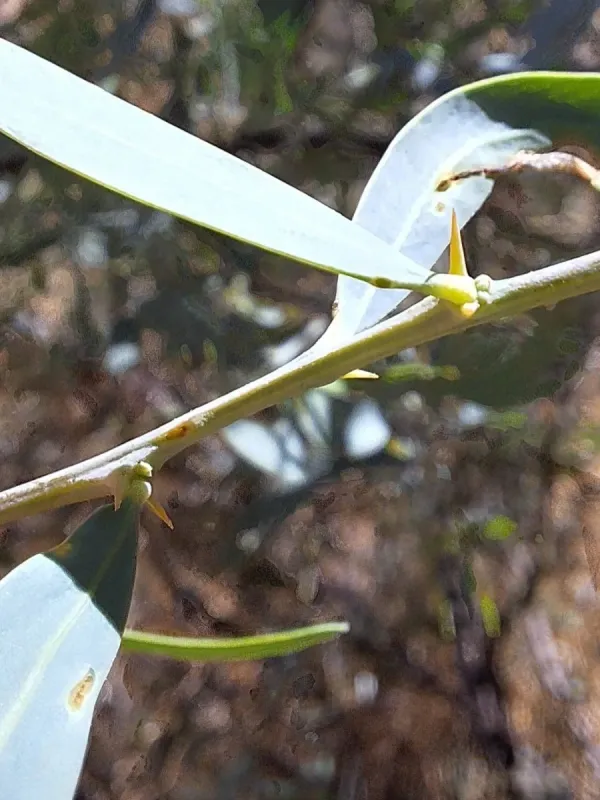
Description
Sowing dates
Sowing Victoria wattle is best performed in the spring when soil temperatures reach optimal levels for germination. Due to the hard seed coat, it is essential to scarify or soak the seeds in hot water prior to planting to ensure a high germination rate.
Seeds should be sown in well-tilled soil at a depth of 1 to 2 centimeters. It is crucial to monitor soil moisture during the initial germination phase, as waterlogging can easily lead to seed rot and failure of the crop.
For large-scale plantations, row sowing with wide spacing is recommended. This layout ensures each plant has sufficient access to nutrients and space to develop, while also facilitating future maintenance and harvest operations.
Using the seedling method in a controlled environment is an excellent way to improve survival rates. Growing young plants in containers for several weeks before transplanting allows them to establish a stronger root system for field conditions.
Once established in the field, young plants require minimal watering during the first growing season. After this initial period, the species becomes highly autonomous, relying solely on natural rainfall even in arid environments.
Growing requirements
Victoria wattle belongs to the Fabaceae family and is recognized for its extraordinary drought tolerance. It is native to the arid and semi-arid regions of Australia, having evolved to thrive in harsh environments with minimal resources.
The crop requires full sun exposure to flourish. Planting in shaded areas will significantly reduce biomass production and growth rates, which is why open field selection is critical for commercial success.
The species is not demanding regarding soil fertility and can successfully grow in sandy, loamy, or saline soils. Good drainage is the most vital requirement, as water stagnation in the root zone is lethal to the plant.
This legume has the unique capability of fixing atmospheric nitrogen through a symbiotic relationship with soil bacteria. This makes it an invaluable plant for restoring degraded lands and preventing soil erosion.
The optimal temperature range for active growth is between +20 and +35 degrees Celsius. The plant shows remarkable resilience to extreme heat and hot, dry winds, maintaining health despite significant environmental stress.
Yield
The primary agricultural output of Victoria wattle is its seed, which is highly nutritious, containing significant amounts of protein and complex carbohydrates. Crop yield stabilizes as the trees mature over several seasons.
Harvesting is usually conducted when the pods reach full maturity. On commercial plantations, this process can be largely mechanized, which improves the overall economic efficiency of the farming enterprise.
The foliage and young branches serve as an excellent fodder source for livestock during dry seasons. Being rich in protein, this biomass supports animal health when other green feed sources are scarce or unavailable.
Beyond its food and fodder value, the wood of this wattle is durable and suitable for high-quality charcoal production. The tree is also frequently used to establish windbreaks and dense, fast-growing hedges.
Integrating Victoria wattle into agroforestry systems enhances farm profitability. By acting as a protective barrier, the trees improve the microclimate for other crops and provide ecosystem services to the land.
Main diseases and pests
The main threats to Victoria wattle include fungal infections affecting the root system, often caused by poor soil drainage. Maintaining a proper irrigation regime is the best preventive measure against rot.
Insect pests, such as weevils or leaf-eating beetles, can cause damage to tender shoots and seeds. Regular field monitoring is necessary to identify and manage potential infestations before they become widespread.
In some regions, mite infestations may cause leaf deformation. Utilizing biological control methods is highly recommended for this crop to maintain an eco-friendly farming approach and ensure product safety.
Extended periods of extreme frost may damage the tips of young plants. Although adult trees are frost-hardy, protecting young specimens during their first two years is essential to ensure long-term plantation success.
Competition from weeds is only a concern during the establishment phase. Once the Victoria wattle matures, it creates a dense canopy that naturally suppresses unwanted vegetation, reducing the need for herbicides.