
Prickly moses
Acacia verticillata
Description
Growing requirements
Prickly moses (Acacia verticillata) is a distinctive member of the Fabaceae family. It is native to the southeastern regions of Australia and Tasmania, where it is known for its hardiness and rapid growth.
The plant thrives in a variety of soil types, provided they are well-drained. It is naturally adapted to acidic soils and performs well in rocky or sandy substrates common in its native habitat.
Cultivation requires a location with full exposure to sunlight to encourage dense foliage and consistent flowering. While it is drought-tolerant once established, it benefits from occasional watering in periods of extreme heat.
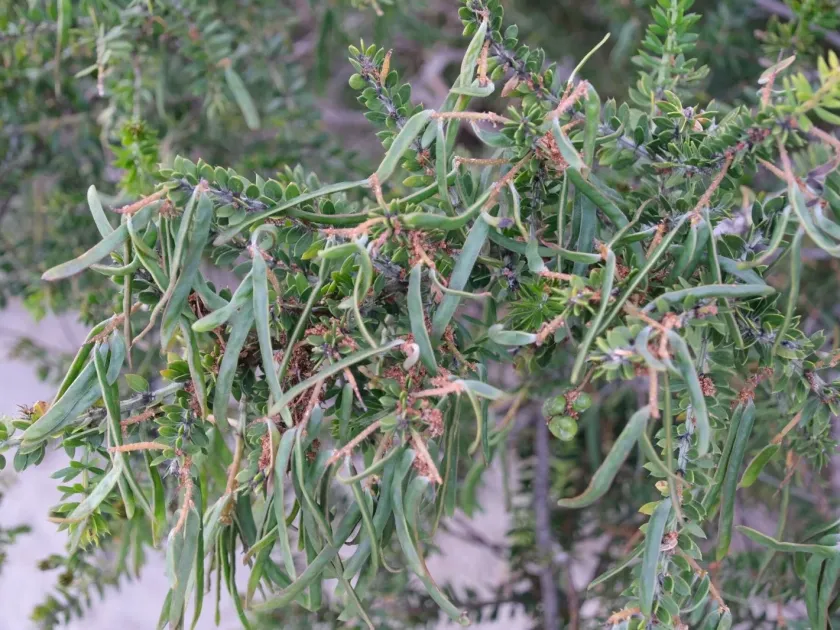
Botany of the species is defined by its needle-like phyllodes arranged in whorls along the branches, which provide a prickly texture. This makes it an excellent choice for natural security hedging.
In terms of usage, it serves as a valuable plant for soil stabilization and erosion control. Its nitrogen-fixing properties make it a sustainable choice for rehabilitating disturbed sites and degraded farmland.
Main diseases and pests
The most common agricultural threat to Acacia verticillata is root rot caused by poor soil drainage. Ensuring that the planting site prevents water accumulation is crucial for plant health.
Insect pests including mealybugs and scale insects may infest the stems and leaves. Regular monitoring is recommended to intervene before the infestation becomes severe.
Spider mites can be problematic during dry seasons, leading to discolored and stunted phyllodes. Using biological controls or horticultural oils can help manage these populations effectively.
Fungal leaf spot diseases are occasionally observed in humid environments. Proper spacing during planting is essential to ensure adequate air circulation and reduce the risk of infection.
Effective management strategies rely on early detection and the use of targeted horticultural practices, such as pruning damaged branches and applying appropriate treatments during the early stages of a pest outbreak.