
Acacia vernicosa
Acacia vernicosa
Description
Growing requirements
Acacia vernicosa is a resilient perennial shrub belonging to the Fabaceae family. Native to the arid southwestern regions of North America, including parts of Mexico and Texas, it is well-adapted to harsh, desert-like environments.
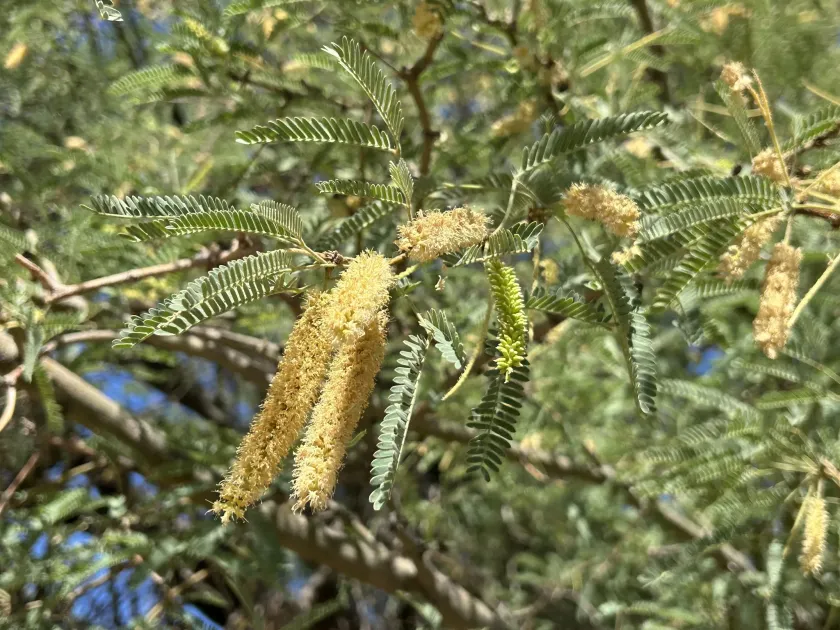
The plant is distinguished by its small, bipinnate leaves covered in a resinous, wax-like substance. This specialized botanical feature serves as an adaptation to reduce transpiration, allowing the plant to thrive under direct sunlight and extreme heat.
Regarding soil requirements, Acacia vernicosa thrives in rocky, calcareous, or sandy substrates with excellent drainage. It does not tolerate waterlogging, as proper aeration of the root system is essential for its survival in natural habitats.
The climate requirements for this species include high solar radiation and low annual precipitation. It is classified as an extremely drought-tolerant species that requires minimal intervention once established in its preferred geographical zone.
Economically, this species is utilized in xeriscaping and sustainable land management projects to prevent desertification. Its dense growth habit provides essential cover for wildlife and assists in soil stabilization in fragile arid ecosystems.
Main diseases and pests
The primary threats to Acacia vernicosa are pathogenic conditions triggered by poor soil drainage. Root rot is the most common issue occurring in non-native environments with excessive irrigation.
Pest pressures are generally low; however, it may occasionally host specific insect species common to its native range. Regular monitoring for foliage-feeding insects during the active growth season is recommended for agricultural maintenance.