
Acacia truncata
Acacia truncata
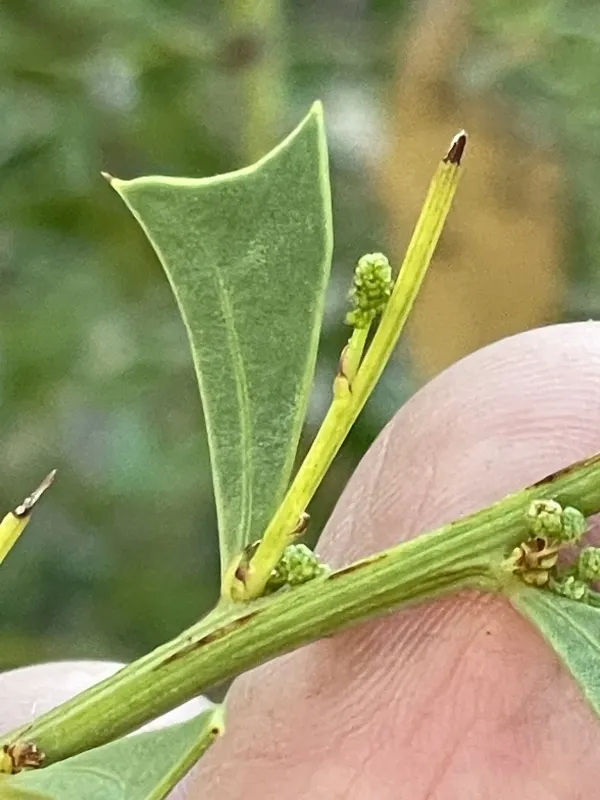
Description
Growing requirements
Acacia truncata is a prominent member of the Fabaceae family, commonly referred to as the wedge-leaved acacia. It originates from the coastal scrublands of southwestern Western Australia.
Botanically, this species is defined by its distinctive truncata-shaped phyllodes. These leathery structures act as foliage and are highly efficient at retaining water, allowing the plant to thrive in arid zones.
The crop thrives in well-drained, sandy soils that mimic its natural habitat. It does not require high levels of soil fertility and is capable of growing in nutrient-poor substrates.
Climate-wise, it prefers Mediterranean-style conditions with warm, dry summers and mild winters. It requires maximum sun exposure for optimal growth and architectural development.
Agricultural management is relatively simple, requiring minimal intervention. Irrigation should be restricted to the establishment phase, as established plants demonstrate remarkable drought tolerance.
Main diseases and pests
Root rot caused by fungal pathogens remains the most significant threat, particularly in soils with poor drainage where water tends to accumulate around the root crown.
Insect pests, including various larvae and sap-sucking insects such as aphids or scale, may occasionally infest the phyllodes, leading to localized damage.
Managing the health of Acacia truncata involves maintaining a dry environment around the base of the plant to prevent the proliferation of soil-borne diseases.
Integrated pest management strategies are recommended, prioritizing biological controls and environmental management over chemical applications.
Cultural practices should emphasize site selection to ensure that the plant is never subjected to prolonged saturation, which is the primary catalyst for pathogen attack.