
Acacia triptera
Acacia triptera
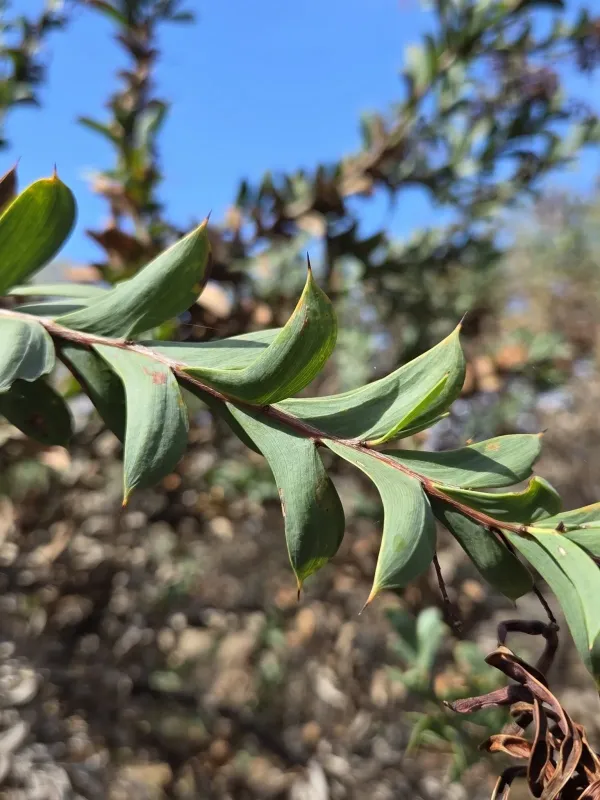
Description
Growing requirements
Acacia triptera is a distinct species within the Fabaceae family, native to the diverse landscapes of eastern Australia, where it thrives in scrubby or rocky habitats.
This shrub is botanically recognized for its sharp, rigid phyllodes, which are modified leaf stalks evolved to minimize water loss, making the plant highly drought-resistant.
To cultivate this species successfully, growers must ensure a sandy, well-draining soil mix that prevents any potential waterlogging of the sensitive root system.
Optimal growth is achieved in full sun exposure, as the species requires high levels of light intensity to maintain its characteristic structure and vibrant appearance.
While adapted to harsh Australian conditions, the plant requires consistent moisture management during its establishment phase to ensure long-term vigor and health.
Main diseases and pests
Root rot remains the most critical threat to Acacia triptera, usually triggered by poor drainage or overwatering in dense, clay-based soil environments.
Scale insects and mealybugs can occasionally colonize the phyllodes, extracting sap and potentially stunting the growth of younger, more vulnerable specimens.
Fungal pathogens may emerge in environments with inadequate air circulation, leading to unsightly spotting or decay on the surface of the phyllodes.
Maintaining a dry environment around the base of the plant is essential for preventing common fungal infections that frequently affect the Fabaceae family.
Integrated pest management, including visual monitoring and targeted horticultural oils, is recommended to control insect outbreaks without damaging the foliage.