
Umbrella thorn acacia
Acacia tortilis
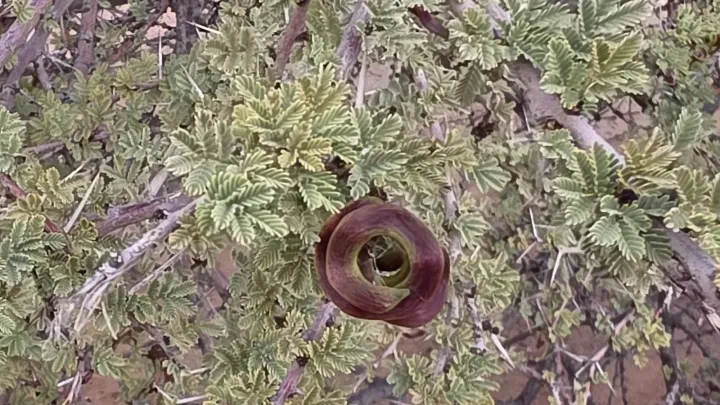
Description
Sowing dates
The propagation of the umbrella thorn acacia is primarily achieved through seeds. The seeds possess a hard seed coat, which grants them high longevity and viability in dry soils until the rainy season begins.
For successful germination in nurseries, seeds require scarification—mechanical or chemical damage to the dense outer layer. This process significantly increases the germination rate and ensures more uniform seedling emergence compared to natural seed dispersal.
The optimal time for sowing is at the onset of the rainy season when the soil warms up and receives sufficient moisture. Seeds are typically planted at a depth of 1 to 2 centimeters to maintain optimal contact with the soil substrate.
During the first months of life, seedlings are highly vulnerable to competition from weeds. Regular weeding around the base of the plant is essential to ensure the young culture has adequate access to solar energy and soil nutrients.
In large-scale cultivation, the use of container-grown seedlings is standard practice. This approach minimizes transplant shock and guarantees higher survival rates in the harsh, arid conditions typical of the species' range.
Growing requirements
The umbrella thorn acacia belongs to the Fabaceae family and is an iconic tree perfectly adapted to extreme drought. Its native range spans the arid regions of Africa and the Middle East, where it survives extended periods of water scarcity.
The culture demonstrates high tolerance to various soil types, including alkaline, saline, and sandy substrates. A critical requirement for healthy growth is well-drained soil, as waterlogging is detrimental to its sensitive root system.
This plant exhibits remarkable resistance to the high temperatures characteristic of tropical deserts and savannas. It thrives in regions where annual rainfall varies from 100 to 1000 millimeters, showcasing its versatile drought-coping mechanisms.
Through its ability to form symbiotic relationships with nitrogen-fixing bacteria, the umbrella thorn acacia significantly enriches poor soils with nitrogen. This makes it a vital component in agroforestry systems and land restoration projects.
Mature specimens feature an extensive deep root system, enabling the tree to tap into deep groundwater reserves. This architectural adaptation renders the tree highly resilient even during prolonged surface-level droughts.
Yield
The agricultural use of the umbrella thorn acacia focuses on biomass production rather than grain yield. Its foliage and seed pods serve as a critical source of protein-rich fodder for livestock during extreme dry seasons.
Productivity is measured by the amount of edible dry matter produced. On average, a mature tree can provide between 10 to 20 kilograms of nutritious forage per season, depending on the density of the canopy.
The wood of this tree is highly valued for its extreme hardness and resistance to termites, making it a valuable secondary product. It is widely utilized as high-quality firewood and for the production of charcoal.
Seed harvesting is conducted manually once the pods are fully mature. These seeds serve both as material for further propagation and as a concentrated nutritional supplement for camels, goats, and other resilient livestock.
In agroforestry systems, overall productivity increases due to improved microclimates under the canopy. This shelter protects secondary agricultural crops from extreme heat and helps mitigate the effects of wind erosion.
Main diseases and pests
The primary threat to young saplings is grazing by wildlife and livestock, such as goats and antelopes. They aggressively browse on the succulent shoots, necessitating the installation of protective fencing to ensure plant establishment.
Among entomological threats, various species of bruchid beetles are known to damage seeds within the pods. This can lead to substantial losses of seed stocks if stored for extended periods without proper prophylactic treatment.
Root rot pathogens can affect the acacia in artificial irrigation settings where drainage is inadequate. Excessive moisture creates an environment conducive to fungal growth, which can rapidly destroy the root system.
Parasitic plants, such as mistletoe, frequently infest the branches of mature trees. Severe parasitic load can weaken the tree's immune response, rendering it more susceptible to secondary diseases and insect infestations.
Health monitoring involves visual inspection of the bark and foliage for abnormal growths, galls, or discoloration. Timely pruning and removal of affected branches help prevent the spread of diseases throughout the entire plantation.