
Sutherland acacia
Acacia sutherlandii
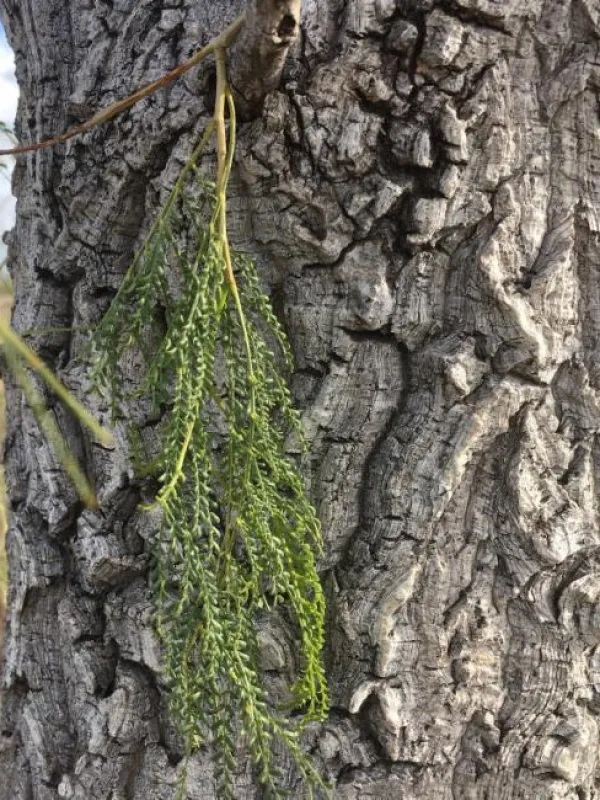
Description
Growing requirements
The Sutherland acacia (Acacia sutherlandii), often classified as Vachellia sutherlandii, is a woody plant species belonging to the Fabaceae family. It is native to the northern tropical regions of Australia, where it thrives in savannah-like landscapes.
This species is highly adapted to arid and semi-arid environments. It possesses structural mechanisms to minimize water loss and maximize photosynthetic efficiency under intense solar radiation and high ambient temperatures.
Soil requirements for this tree include well-drained, sandy, or rocky substrates. It does not tolerate waterlogging, which can lead to rapid fungal decay of the root collar and ultimate failure of the plant’s structural integrity.
In terms of climate, the Sutherland acacia is strictly a tropical species. It lacks frost tolerance and requires consistent warmth throughout the year to maintain its growth cycles and reproductive health.
Agricultural use of this tree is primarily focused on reforestation and land rehabilitation projects. Its ability to fix nitrogen through symbiotic relationships with bacteria makes it a valuable species for soil improvement in depleted areas.
Main diseases and pests
Insect pests are the primary biological threat to the Sutherland acacia, with boring beetles posing a significant risk to the integrity of the vascular system within the branches and trunks of mature trees.
Fungal diseases typically manifest during periods of excessive humidity. Root pathogens such as Phytophthora species can be devastating if the soil drainage conditions are not optimal for the tree's development.
Seed predation by various arthropods can significantly reduce the viability of natural regeneration. Protection of seeds in storage is essential for nursery production and large-scale planting initiatives.
Leaf-feeding caterpillars and other defoliators can occasionally cause mass outbreaks, leading to temporary reductions in plant vigor, especially in young saplings that have not yet established a deep root system.
Management practices for these threats include regular field scouting, selective pruning of infected parts, and ensuring that planting density is sufficient to allow for adequate airflow and sun penetration throughout the canopy.