
Sweet wattle
Acacia suaveolens
Description
Sowing dates
The sowing of Acacia suaveolens seeds typically occurs in spring once the soil temperatures rise. The seeds have a hard seed coat, necessitating scarification or soaking in hot water to improve germination rates significantly.
In professional nurseries, seeds are sown in specialized, well-draining media. This controlled environment allows for consistent moisture levels, which is crucial for early root development and seedling survival.
When planting directly into the ground, the seeds should be placed at a depth of about 0.5 to 1 cm. The soil must be loose and friable to ensure that the delicate root systems can establish without obstruction.
Mulching the soil surface is a recommended practice to maintain moisture and prevent the soil from overheating. This is particularly important during the first few months of the plant's life in the field.
Spacing is vital for the health of the shrub; a distance of 1.5 to 2 meters between plants provides the necessary airflow to minimize humidity-related diseases and allows the canopy to grow naturally.
Growing requirements
Sweet wattle (Acacia suaveolens) is a perennial evergreen shrub belonging to the Fabaceae family. Native to eastern Australia, this plant has evolved to thrive in diverse and often harsh environmental conditions.
The species prefers sunny, open locations but exhibits tolerance to partial shade. It is well-adapted to poor, sandy soils, provided that the drainage is efficient, preventing water stagnation around the roots.
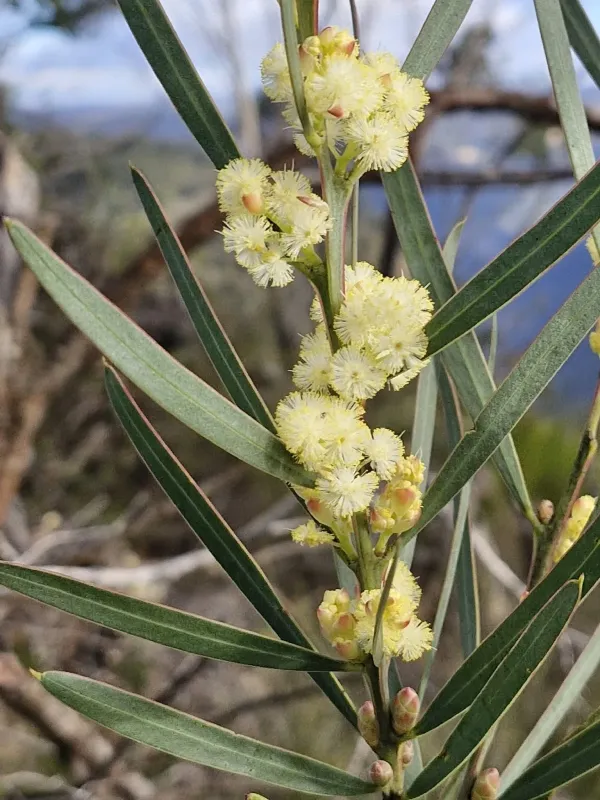
A key botanical feature is the presence of phyllodes—modified, flattened leaf stalks—that perform photosynthesis. This adaptation allows the plant to minimize water loss during periods of drought.
While the plant is highly drought-tolerant once established, it benefits from moderate watering during its active growth phase. Regular irrigation supports more lush foliage and promotes a more profuse blooming season.
The plant is relatively hardy and can survive mild frosts, but it is susceptible to damage from prolonged extreme cold. In temperate climates, it is often kept in containers to be protected during winter months.
Yield
Sweet wattle is primarily utilized for its aesthetic value in landscape design and restorative ecology. Its fragrant, yellow flowers and distinct foliage make it a popular choice for gardens and public parks.
The flowers contain volatile oils that have potential applications in the perfume and cosmetic industries due to their pleasant, sweet honey-like aroma. This is a niche but growing area of economic interest.
As a nitrogen-fixing legume, Acacia suaveolens contributes to soil health by converting atmospheric nitrogen into a form that other plants can utilize. This makes it a valuable species for soil improvement projects.
The shrub is an excellent pollinator-friendly plant, attracting a variety of native bees and insects. This ecological role is crucial for maintaining the biodiversity of agricultural and wilderness areas.
While not a major timber source, the wood can be used for small-scale woodcraft or as a source of biomass during periodic pruning. Its main value remains focused on conservation and landscaping.
Main diseases and pests
Common pests affecting Acacia suaveolens include mealybugs and spider mites, which tend to flourish in low-humidity environments. Regular inspections of the phyllodes are necessary for early detection and management.
Root rot is a major threat, typically occurring due to poor soil drainage or over-watering. Pathogens such as Phytophthora species can thrive in waterlogged soil, leading to rapid decline of the plant.
Proper pruning practices are essential to maintain canopy health and ensure airflow. Removing dead or diseased branches prevents the build-up of pathogens within the structure of the shrub.
When pest intervention is required, integrated pest management (IPM) strategies, including biological controls, are preferred to minimize negative impacts on local pollinators and the broader ecosystem.
Maintaining high soil fertility and ensuring adequate sunlight are the best preventive measures against disease. A vigorous, healthy plant is naturally more resistant to the majority of common pests.