
Acacia spirocarpa
Acacia spirocarpa
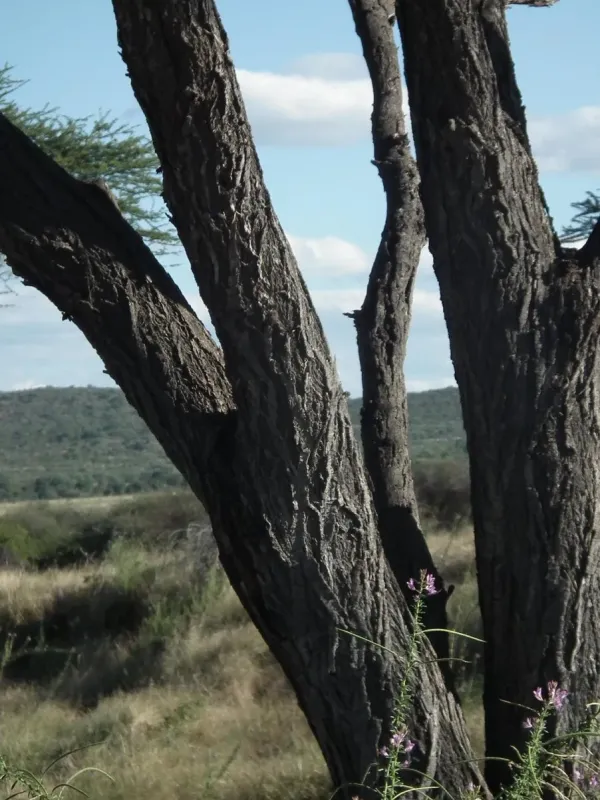
Description
Growing requirements
Acacia spirocarpa is a significant woody plant within the Fabaceae family, well-adapted to arid and semi-arid environments. Naturally, it serves as a keystone species in savannah ecosystems due to its exceptional resilience to water scarcity and heat stress.
The cultivation of this species requires well-drained soils, ideally sandy or rocky textures, to prevent root asphyxiation. It possesses a deep taproot system which allows the tree to survive long periods of drought, reaching deep groundwater reserves.
Environmental requirements are strictly defined by high solar radiation levels and high mean temperatures. The plant thrives in climates where daily temperatures remain consistently high, making it unsuitable for regions prone to prolonged frosts or cold snaps.
Agricultural management involves the careful selection of planting sites, avoiding low-lying areas where water may collect during rare, heavy rainfall events. Its nitrogen-fixing ability makes it an excellent choice for agroforestry projects aiming to restore nutrient-depleted soil.
In terms of spacing, trees should be planted at intervals that allow for canopy development while maximizing the wind-breaking potential of the stand. This structural arrangement is key for managing soil erosion in drylands.
Main diseases and pests
Fungal pathogens causing root rot represent the most significant threat to Acacia spirocarpa plantations, particularly in heavy or poorly drained soils. These diseases often emerge following unseasonal rain, leading to rapid decline in stand health.
Pest pressure is frequently driven by seed-boring beetles that compromise the viability of the pods. This infestation can significantly hinder natural regeneration and the collection of seeds for future sowing cycles if not managed.
Browsing pressure from both wild animals and livestock is a major concern, as the foliage is highly nutritious. Protecting young trees with physical barriers is often necessary until they reach a height where they are less vulnerable to grazing.
Defoliating insects can occasionally strip entire branches of foliage during peak growth phases, causing physiological stress. While healthy trees can recover, frequent attacks can weaken the tree's resilience to subsequent environmental stressors.
Parasitic epiphytes are another concern in aging or stressed trees, as they compete for resources and can cause branch dieback. Implementing periodic maintenance and clearing infected plant parts is standard practice for maintaining the longevity of the stand.