
Mudgee wattle
Acacia spectabilis
Description
Growing requirements
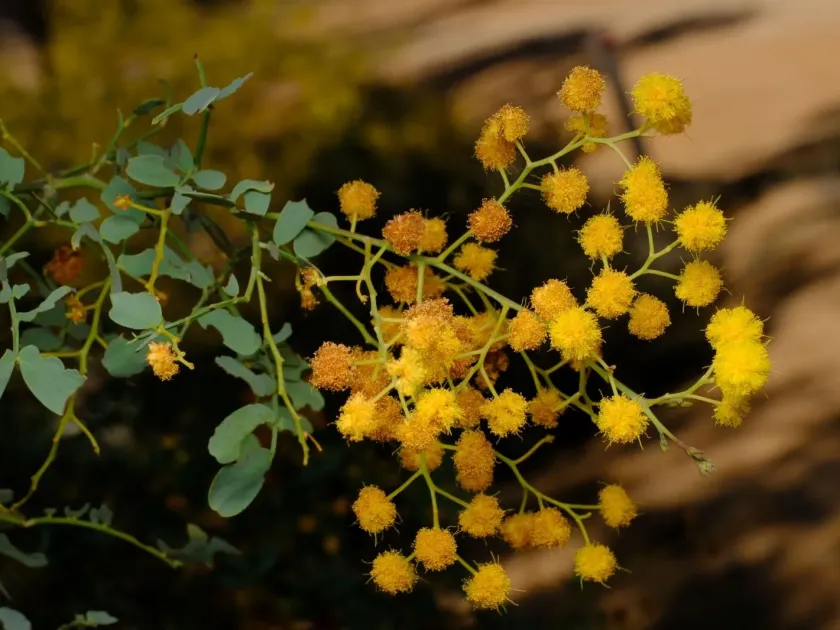
Acacia spectabilis, commonly known as the Mudgee wattle, is a shrub or small tree belonging to the Fabaceae family. Native to the eastern parts of New South Wales in Australia, this plant is renowned for its spectacular displays of golden-yellow flowers that appear in spring, transforming the canopy into a vibrant floral show.
In terms of growth requirements, this species thrives in well-drained, sandy to loamy soils. It is essential to ensure that the planting site has excellent drainage, as the root system is susceptible to decay if exposed to persistent waterlogging, which often leads to poor plant vigor and increased risk of fungal infections.
The plant prefers full sun exposure, which is necessary to maintain its compact growth habit and maximize flowering density. While it is naturally adapted to the Australian climate, it shows moderate tolerance to drought once established, though it benefits from occasional irrigation during prolonged dry spells in its early developmental stages.
Botanically, it is distinguished by its pinnate foliage with a silvery-green cast and spherical flower clusters. This species is often utilized in xeriscaping and ornamental horticulture due to its low maintenance needs and ability to add visual interest to landscapes throughout the year.
Agricultural and landscape applications include its role as a soil improver, as it is capable of nitrogen fixation through symbiotic relationships with soil bacteria. It is also a valuable nectar source for local pollinator populations, making it a sustainable choice for ecological restoration projects in compatible climate zones.
Main diseases and pests
Common issues include root rot caused by poor soil drainage and waterlogging. In sheltered or greenhouse environments, the plant may be vulnerable to infestations of spider mites, aphids, or mealybugs, which can damage the foliage and impede overall growth.