
Acacia sparsiflora
Acacia sparsiflora
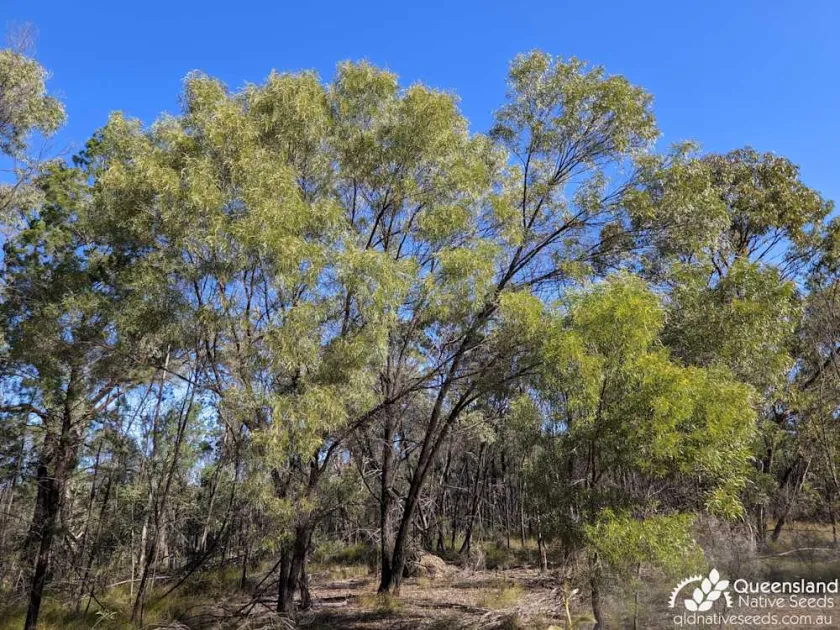
Description
Growing requirements
Acacia sparsiflora is a distinctive species belonging to the Fabaceae family, native to the arid and semi-arid regions of Australia. As an evergreen woody plant, it is recognized for its ability to thrive in challenging environments where water availability is strictly seasonal and limited.
The plant demonstrates a strong preference for sandy or gravelly soils that offer excellent drainage. It is highly sensitive to waterlogged conditions, which can inhibit root development and make the plant susceptible to fungal pathogens. Soils with a slightly acidic to neutral pH are considered optimal for growth.
Climatically, this species is adapted to high light intensity and thermal stress. It can successfully endure significant heat waves and moderate periods of drought, which makes it a suitable candidate for reforestation programs in degraded landscapes that require minimal manual maintenance.
Agronomic management for Acacia sparsiflora focuses on initial establishment strategies. During the first two seasons, protection from heavy browsing and competition with weeds is essential to ensure the plant reaches a stage of maturity where it can better withstand environmental pressure.
The primary economic and agricultural value of this tree lies in its role within soil conservation and nitrogen fixation processes. It is often employed in land reclamation projects to stabilize slopes and improve the chemical and physical structure of impoverished soils through leaf litter accumulation.