
Acacia seyal
Acacia seyal
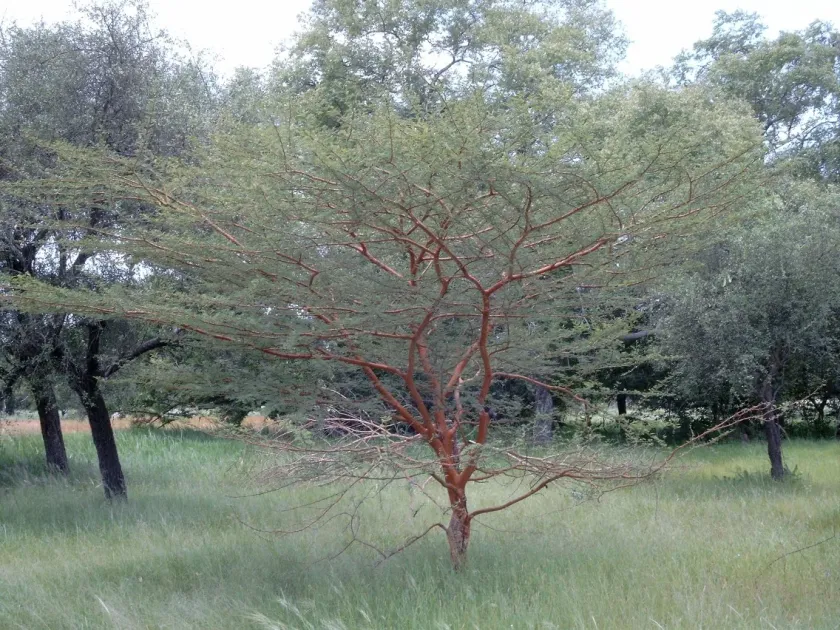
Description
Sowing dates
Acacia seyal seeds possess a hard seed coat, which necessitates pre-sowing treatments such as mechanical scarification or soaking in hot water to enhance germination rates.
Direct seeding in the field is usually performed at the onset of the rainy season when soil moisture is sufficient to support rapid root emergence and seedling establishment.
Nursery propagation is a common practice, utilizing container-grown seedlings to ensure the development of a strong taproot system before transplanting to the final site.
Planting density is determined by the specific management goal, whether it is for gum production, fuel wood, or soil stabilization within an agroforestry system.
Maintenance during the first two years is crucial; weed control around the base of the young trees prevents resource competition and promotes faster vertical growth.
Growing requirements
Acacia seyal is a member of the Fabaceae family, native to the arid and semi-arid regions of Africa. It is highly adapted to harsh, tropical savanna environments.
The tree thrives in heavy clay soils, particularly those known as black cotton soils, which are prone to deep cracking during prolonged dry seasons.
This species is exceptionally drought-tolerant and can survive in areas with annual rainfall ranging from 250 mm up to 1000 mm, exhibiting deep root structures to access water.
It is a light-demanding species that requires full sun exposure for optimal development; excessive shade significantly inhibits the growth rate of young individuals.
As a nitrogen-fixing tree, Acacia seyal plays a vital role in soil restoration, enriching the substrate with nitrogen and improving the overall health of the ecosystem.
Yield
The primary economic product of this species is gum arabic, a translucent exudate harvested by tapping the tree trunks during the dry season.
Yields of gum per tree vary significantly based on the age of the specimen, health conditions, and local climate, generally ranging between 200 and 500 grams per harvest.
The wood of Acacia seyal is highly valued for its density and slow-burning properties, making it an excellent source of charcoal and high-grade fuelwood.
Fodder availability is a key benefit, as both leaves and seed pods provide essential nutrition for livestock, acting as a critical feed resource during drought periods.
Tannins extracted from the bark are utilized in local industries for leather tanning and are also employed in traditional medicinal preparations across its range.
Main diseases and pests
Young seedlings are highly susceptible to browsing by goats and other livestock, requiring the implementation of protective fencing to ensure successful establishment.
Seed-boring beetles (Bruchidae) represent a major pest that impacts seed viability, posing a challenge for natural forest regeneration and nursery production.
Fungal infections can develop in the stem and root system if the tree is planted in areas with poor drainage and chronic waterlogging, leading to premature decline.
Mistletoe infestation is a common biotic stressor that weakens the tree by extracting nutrients directly from the branches, reducing the overall vitality of the canopy.
Bushfires in the savanna regions can be destructive to young saplings; however, mature trees possess a thick bark that offers some resistance to ground-level heat.