
Acacia reficiens
Acacia reficiens
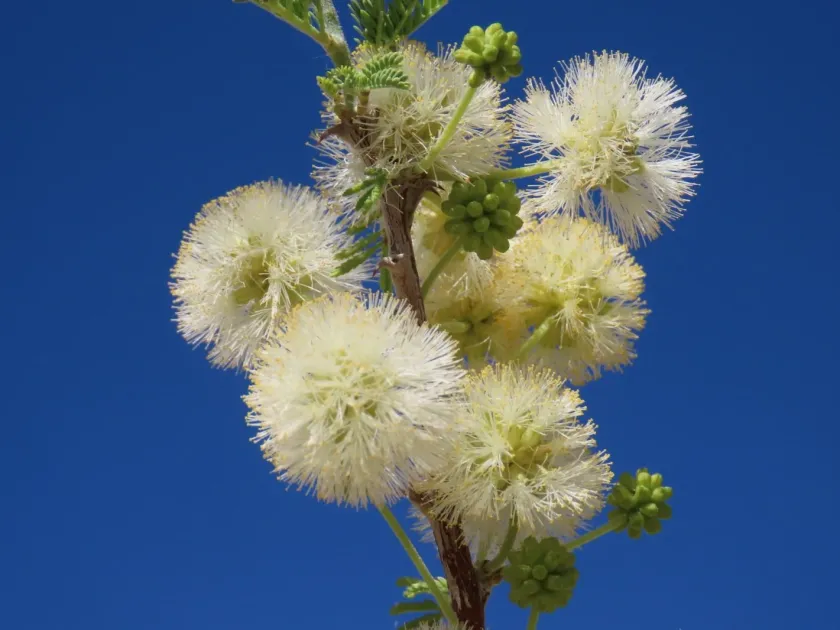
Description
Growing requirements
Acacia reficiens is a woody shrub belonging to the Fabaceae family, widely recognized for its adaptability to arid and semi-arid environments. It serves as a vital component in the landscape of Eastern and Southern Africa.
This species naturally occurs in savannahs and stony slopes. Its biological success in these harsh habitats is attributed to a robust root system capable of accessing deep groundwater and efficient physiological water-saving mechanisms.
The morphology of the plant is characterized by a dense structure and the presence of sharp, paired spines. These features protect the plant from overgrazing and contribute to its resilience in challenging ecological conditions.
In terms of soil requirements, Acacia reficiens prefers well-drained, sandy, or gravelly soils. It does not tolerate waterlogging, as the root system is highly susceptible to rot under anaerobic conditions.
The plant thrives under intense solar radiation and high ambient temperatures. It is highly drought-tolerant, meaning it requires minimal rainfall once established, making it a reliable candidate for desertification control.
Harvesting
Economically, this species is primarily utilized as a source of browse for livestock. The foliage remains palatable and nutritious even when other grasses have withered, providing essential protein during the dry season.
The timber obtained from the plant is extremely dense and durable. It is widely used for constructing animal enclosures, agricultural tools, and as a primary material for high-quality charcoal production.
It plays a critical role in agroforestry by preventing soil erosion and protecting more sensitive crops from strong winds. Planting it in rows helps stabilize sandy soils and maintains the soil's moisture balance.
Harvesting strategies involve manual trimming or controlled coppicing. This method ensures that the plant continues to produce biomass while simultaneously providing wood resources for the local community.
Beyond agricultural output, the plant improves soil quality by fixing atmospheric nitrogen through a symbiotic relationship with bacteria. This process significantly enhances the fertility of the surrounding soil for other plants.