
Acacia redolens
Acacia redolens
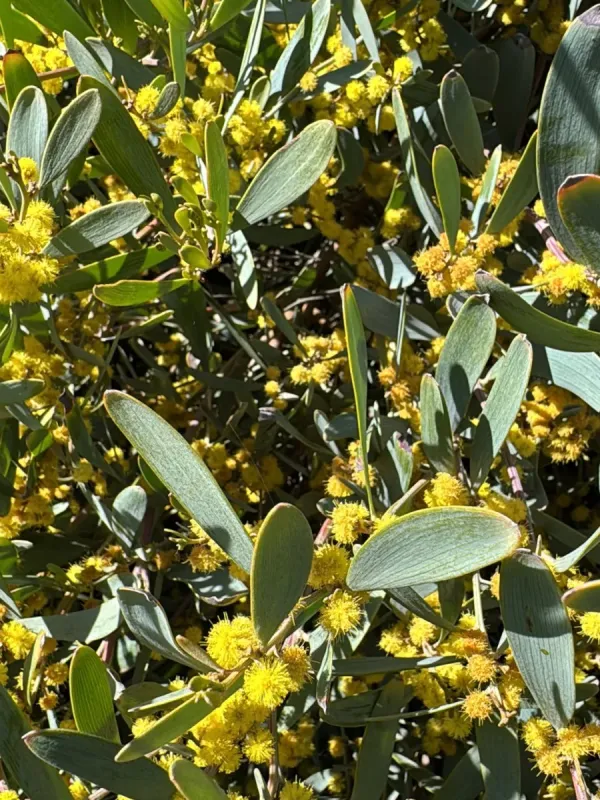
Description
Growing requirements
Acacia redolens, commonly known as fragrant acacia, is a prostrate, evergreen shrub belonging to the Fabaceae family. Native to Western Australia, it is highly valued for its ability to thrive in arid and semi-arid environments.
This species is widely recognized for its robust growth habit, often reaching up to 1-2 meters in width while staying low to the ground. This makes it an excellent choice for erosion control on slopes and embankments.
The plant requires well-drained, sandy to loamy soils to flourish. Excellent soil drainage is a non-negotiable requirement, as the plant is susceptible to root rot if standing in water for extended periods.
Regarding climate, Acacia redolens is a sun-loving species that prefers full exposure to sunlight. It is exceptionally heat-tolerant and can survive in poor, alkaline, or even slightly saline soils where other plants struggle.
In terms of agricultural management, once established, it requires minimal maintenance. It is inherently adapted to low-nutrient conditions, making it an efficient choice for sustainable landscaping with reduced fertilizer inputs.
Main diseases and pests
The primary threat to Acacia redolens is root decay caused by soil pathogens such as Phytophthora, usually triggered by over-irrigation or heavy, poorly draining soils.
Insect pests, including various species of scale insects and mealybugs, can infest the dense foliage. These pests can weaken the shrub, leading to stunted growth if left unmanaged for long periods.
Leaf spot diseases may occur in regions with high humidity or poor air circulation. Pruning the inner branches to improve airflow is a recommended practice to maintain plant hygiene.
Chlorosis, indicated by yellowing leaves, frequently occurs if the soil pH is too high, which inhibits the plant's ability to absorb essential micronutrients like iron or manganese.
Rabbits and other herbivores may sometimes graze on young shoots during extreme drought, necessitating temporary protective fencing in newly planted areas until the shrub is well-established.