
Pear-leaf acacia
Acacia pyrifolia
Description
Growing requirements
The pear-leaf acacia (Acacia pyrifolia) belongs to the Fabaceae family. It is a perennial shrub or small tree native to the arid regions of Western and Northern Australia, where it has evolved to thrive in harsh desert and semi-desert environments.
This crop is characterized by high drought tolerance and the ability to grow in nutrient-poor soils. The plant prefers well-drained sandy or rocky substrates, which are typical for its natural habitat.
Successful development of the acacia requires a hot climate with plenty of direct sunlight. It demonstrates significant tolerance to high temperatures and prolonged dry spells, making it a promising species for landscaping in arid zones.
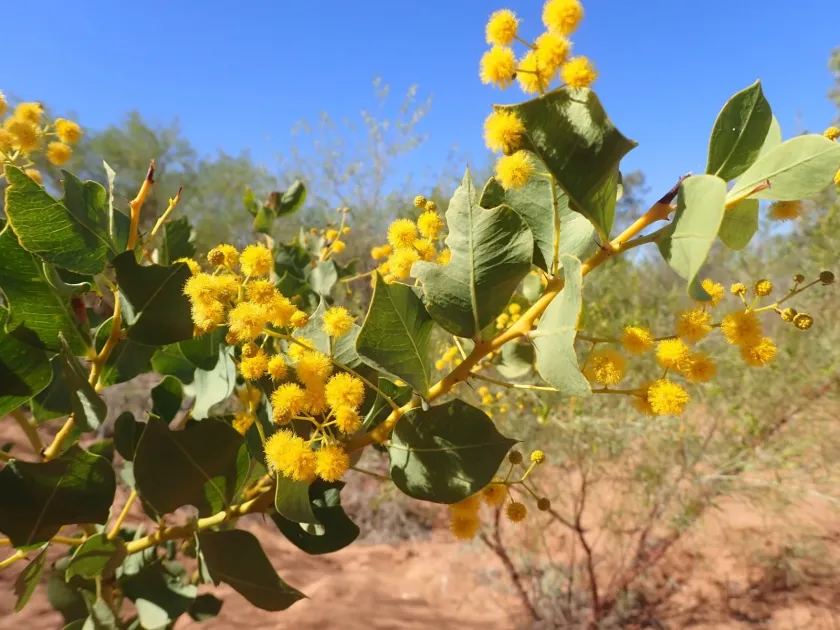
Biologically, the plant is notable for its leathery phyllodes, which are modified petioles that replace true leaves to reduce moisture evaporation. During the flowering period, the shrub produces bright yellow, fluffy, ball-shaped inflorescences.
The agricultural practice for growing this plant requires minimal intervention as the species is extremely hardy. The primary requirement is to avoid waterlogging the soil, which can lead to root rot and plant mortality during the early establishment phase.
Main diseases and pests
Common health threats to the pear-leaf acacia include phytopathogenic fungi that proliferate in conditions of water stagnation near the root zone. Excessive irrigation or poor drainage systems often provoke the development of rot.
In its natural habitat, the plant can be subjected to attacks by sap-sucking insects, such as aphids or scale insects, which feed on the sap of young shoots and phyllodes. This process can significantly weaken the shrub's immunity.
There is also the potential for pest damage to the seeds and pods. Regular monitoring of the plants during the seed formation phase allows for the early detection of infestations and helps to minimize losses of planting material.
Pest management in agricultural settings typically involves maintaining a proper water regime to prevent plant stress, which makes the acacia less susceptible to infestations and opportunistic parasites.
Disease prevention consists of maintaining proper spacing during group planting and ensuring good air circulation within the canopy to prevent the spread of fungal infections that thrive in humid, stagnant conditions.