
Golden wattle
Acacia pycnantha
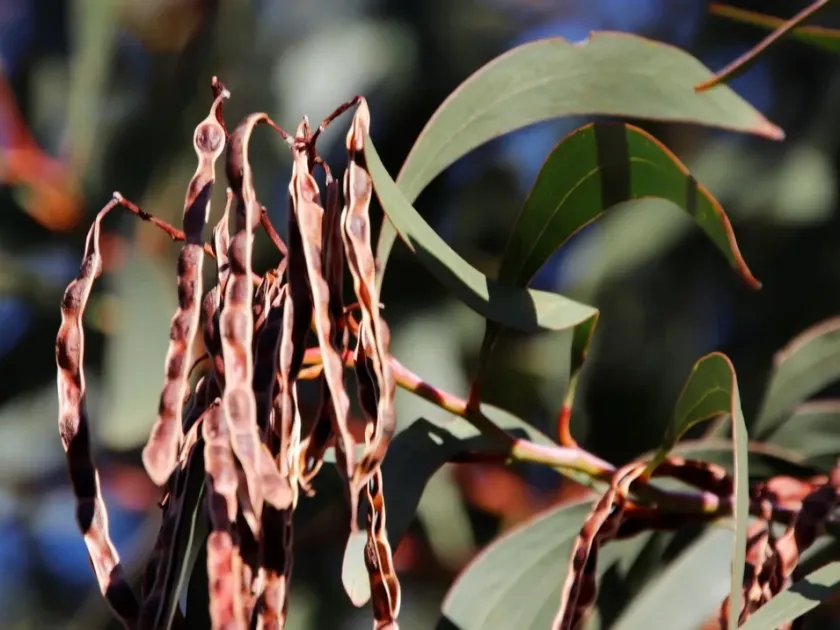
Description
Sowing dates
Acacia pycnantha is typically propagated from seeds, which require specific pre-sowing treatment such as scarification or immersion in boiling water to enhance the germination rate.
Spring is the ideal season for sowing, as the warmer temperatures facilitate the transition of seeds from dormancy to active vegetative growth in the nursery environment.
For large-scale planting, it is recommended to raise seedlings in containers before transplanting them, as this method significantly improves survival rates in field conditions.
Sowing depths should be kept shallow, typically no more than two centimeters, ensuring that the energy reserves of the seed are sufficient for the plant to emerge.
Proper site preparation, including the removal of competing weeds, is essential during the initial planting phase to ensure that young trees receive adequate nutrients and light.
Growing requirements
This species belongs to the Fabaceae family and is highly regarded for its ability to thrive in poor, sandy, or rocky soils, showcasing its resilience as a pioneer plant.
Acacia pycnantha requires a Mediterranean-type climate with distinct seasonal patterns, favoring environments with dry summers and moderate winters for optimal development.
High light exposure is crucial; therefore, plantations must be designed to avoid any significant shading, as this tree performs best under direct and constant sunlight.
The plant exhibits remarkable drought tolerance, which allows it to adapt to low-rainfall regions where many other agricultural crops would fail to survive or yield.
Symbiotic relationships with nitrogen-fixing bacteria in the root system allow the Golden wattle to improve soil structure and fertility over time, benefiting surrounding ecosystems.
Yield
The primary industrial utility of Acacia pycnantha lies in its bark, which is a rich source of tannins utilized extensively in the leather tanning industry for high-quality hides.
Beyond its industrial bark applications, the tree is an exceptional honey-producing species, providing significant yields of high-quality nectar during its flowering season.
Its wood, which is known for its density and attractive grain, is highly valued for small-scale woodworking projects, including furniture construction and decorative carving.
In environmental management, the species is frequently utilized for land reclamation and erosion control projects, effectively stabilizing soils in degraded areas.
Sustainable harvesting of the bark and biomass can lead to consistent agricultural yields, provided that the plantation is managed with periodic pruning and thinning practices.
Main diseases and pests
Various borers and wood-boring insects represent the most significant threat, as they can cause severe structural damage to the stems and branches of the tree.
Defoliating caterpillars may cause periodic outbreaks, which reduce the photosynthetic area and, if left unchecked, significantly weaken the tree's health.
Root-rot pathogens, often favored by excessive soil moisture, can become a serious problem; consequently, proper drainage is vital to prevent fungal infestations.
Powdery mildew is a common occurrence in plantations with poor airflow, necessitating regular monitoring and timely application of antifungal measures during humid spells.
Integrating a systematic pest monitoring program is the most effective approach to managing these threats and ensuring the longevity and productivity of the Golden wattle plantation.