
Purple Acacia
Acacia purpurea
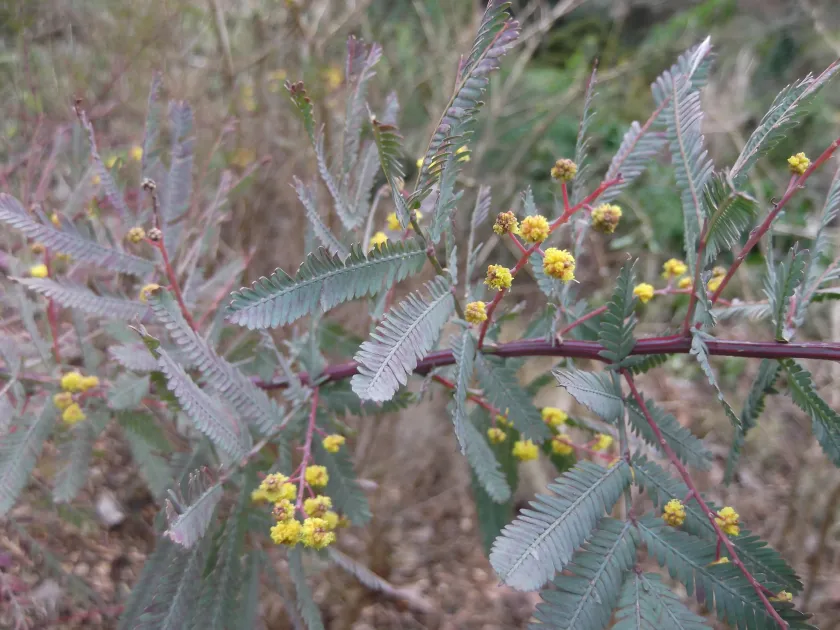
Description
Sowing dates
Purple Acacia (Acacia purpurea) is a member of the Fabaceae family. As a perennial woody plant, it is traditionally propagated via seeds, which require specific preparation before sowing.
The seeds possess a hard seed coat, necessitating scarification or soaking in warm water to improve germination rates. Sowing typically occurs in the spring, once the soil temperature is sufficiently warm.
When sowing in a nursery setting, seeds should be placed in well-drained, sterile media. Maintaining a consistent temperature between 20 and 25 degrees Celsius is optimal for success.
Seedlings are generally transplanted when they develop their first set of true leaves. Since this species is sensitive to root disturbance, using biodegradable pots is often recommended to minimize transplant shock.
Direct field sowing is possible in warmer climates, provided that the soil is properly prepared and free from weeds, which could otherwise outcompete the young acacia seedlings.
Growing requirements
This species thrives in well-drained, sunny locations. It is highly drought-tolerant once established but requires consistent moisture during the initial growth phases.
Soil type is crucial for the health of Purple Acacia. It prefers sandy or loamy soils that facilitate deep root penetration and prevent the accumulation of excess water around the root zone.
The plant is sensitive to waterlogged conditions, which can lead to rapid root decay. Sites with heavy clay or high water tables should be avoided unless the soil is heavily amended with organic matter and drainage is improved.
Purple Acacia prefers neutral to slightly acidic soil conditions. Alkaline soils may induce nutrient deficiencies, particularly iron chlorosis, which presents as yellowing leaves while the veins remain green.
Regular pruning is required to maintain the desired shape and size. Pruning should be carried out after the flowering period to encourage new growth and keep the plant vigorous.
Yield
Purple Acacia is primarily valued for its ornamental characteristics. It is widely used in residential landscaping, parks, and urban environments due to its distinctive and attractive foliage.
In agricultural applications, the plant serves as a vital component in erosion control. Its expansive root system binds soil particles, making it an excellent choice for stabilizing slopes.
As a legume, Purple Acacia plays a significant role in soil improvement. It hosts symbiotic nitrogen-fixing bacteria, which convert atmospheric nitrogen into a form available to surrounding plants.
The wood is dense and durable, though due to the species' typically shrub-like or small tree habit, its timber value is largely restricted to ornamental woodwork and high-quality artisan crafts.
The species serves as a valuable nectar source for pollinators. Maintaining healthy stands of Purple Acacia can enhance biodiversity and support local bee populations within an agricultural ecosystem.
Main diseases and pests
Spider mites are a common pest, particularly in hot and dry conditions. They damage foliage by sucking sap, which can cause leaves to drop prematurely and weaken the entire plant.
Powdery mildew often manifests during humid weather. It appears as a white fungal growth on leaves and stems, significantly reducing the plant's photosynthetic efficiency if left untreated.
Root rot, typically caused by Phytophthora or Pythium species, is a major threat in poorly drained soils. Once symptoms appear, recovery is rarely possible, making prevention the best strategy.
Scale insects can infest stems, leading to stunted growth. Systematic monitoring of branches is recommended to ensure early detection and prompt application of horticultural oils or insecticides.
Effective management includes implementing integrated pest management (IPM) practices, such as choosing disease-resistant varieties and maintaining optimal environmental conditions to keep plants stress-free.