
Prickly Moses
Acacia pulchella
Description
Sowing dates
The propagation of Acacia pulchella is primarily performed through seeds. The seeds possess a hard, water-impermeable coat that requires scarification—such as immersion in near-boiling water—to break dormancy and ensure successful germination.
Seeds should be sown in a well-draining, sandy potting mix. Maintaining a consistent temperature between 20 and 25 degrees Celsius is crucial for consistent seedling emergence within the first few weeks.
In its native Australian habitat, seed germination is naturally triggered by fire; therefore, replicating these thermal conditions or using smoke water treatments can significantly improve the success rate for home gardeners.
For those preferring vegetative methods, cuttings can be taken from semi-hardwood growth. This process requires precise control over humidity and the use of rooting hormones to encourage the development of the root system.
Once the seedlings have reached a sufficient size, they should be hardened off in a sheltered position before being planted out in their permanent location to ensure better survival rates.
Growing requirements
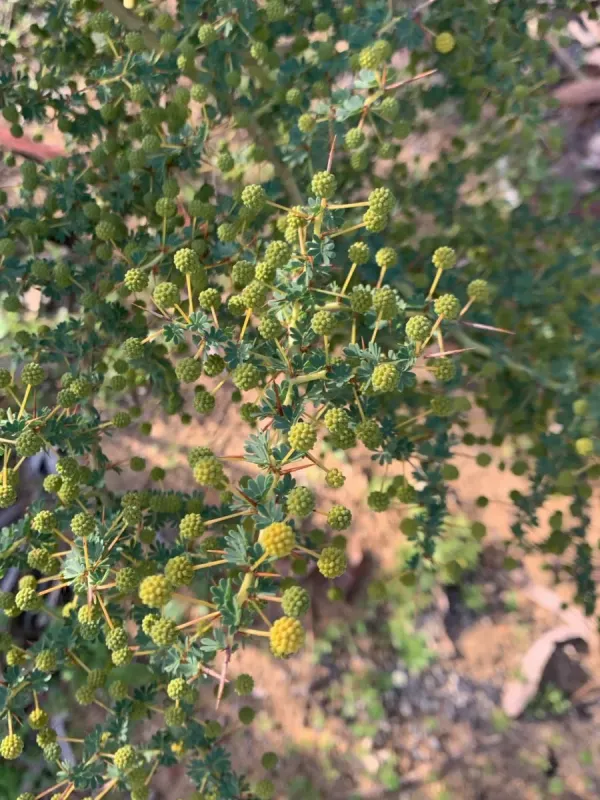
Acacia pulchella, commonly known as Prickly Moses, is a shrub belonging to the Fabaceae family. It is endemic to the south-western regions of Western Australia and is valued for its delicate, fern-like foliage and vibrant yellow flowers.
The species thrives in Mediterranean-type climates, characterized by wet winters and dry summers. It is essential to select a planting site that provides full sun exposure, as shaded conditions lead to poor branching and reduced flowering.
Soil requirements are relatively specific: the plant demands excellent drainage. While it can adapt to various soil types, it performs best in light, sandy soils that mimic its natural environment and prevent root rot.
Once established, Prickly Moses is highly drought-tolerant. Irrigation should be focused on the first growing season; after this, the plant is well-equipped to handle periods of water scarcity.
As a legume, this species fixes atmospheric nitrogen. Consequently, it does not require heavy fertilizing. Over-fertilization, particularly with phosphorus, can be detrimental to the plant's health and longevity.
Main diseases and pests
The most significant threat to the health of Acacia pulchella is waterlogging, which often leads to root rot pathogens. Ensuring that the soil structure is porous is the primary preventative measure against such issues.
Pests such as scale insects and aphids may occasionally infest young stems or foliage. These can typically be managed by introducing beneficial insects or using mild horticultural oils if the infestation is heavy.
Fungal leaf spot diseases may appear during seasons of prolonged humidity or if the foliage remains wet for extended periods. Pruning to ensure good airflow through the canopy is the best cultural control.
The prickly nature of the plant, which gives it the name Prickly Moses, provides natural protection against some browsing animals, but small mammals may still damage young, tender growth if unprotected.
Regular maintenance, including the removal of dead wood and monitoring for signs of stress, is key to maintaining a healthy specimen. Avoid overhead watering to reduce the risk of humidity-related foliage diseases.