
Senegalia plumosa
Acacia plumosa
Description
Growing requirements
Senegalia plumosa, widely recognized by its scientific synonym Acacia plumosa, is a member of the Fabaceae family. This species is native to tropical regions of South and Central America, where it thrives in warm and humid environments.
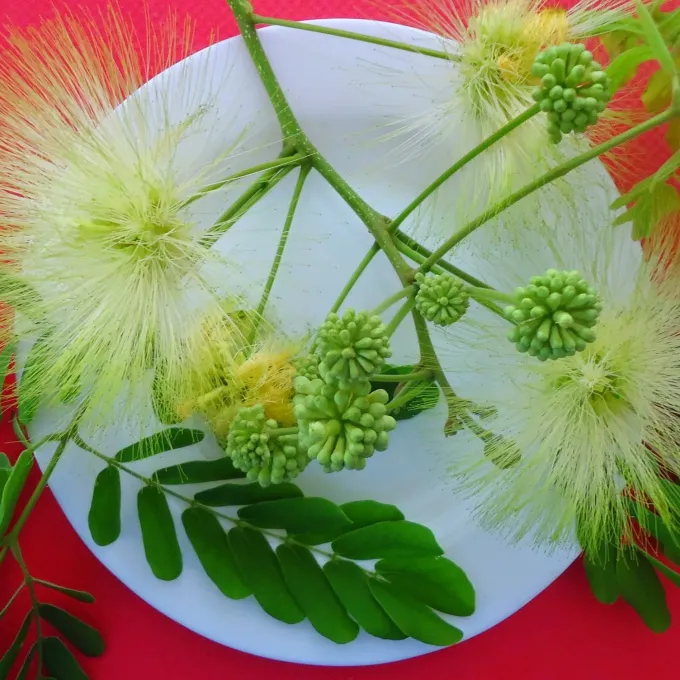
The plant is characterized by its feathery, bipinnate leaves, which provide significant ornamental value. It typically grows as a sprawling shrub or a woody vine, requiring physical support if cultivated for maximum vertical development in garden settings.
Optimal growth conditions necessitate full sun exposure and well-drained, sandy loam soils. It is critical to ensure that the soil remains fertile and aerated, as the root system of this species is highly susceptible to hypoxia if waterlogged for extended periods.
Regarding climate, the plant requires consistent warmth. While it can withstand short periods of drought once established, regular irrigation is essential during the primary growth stage to prevent leaf drop and ensure vigorous biomass accumulation.
Agrotechnical practices include annual pruning, which is necessary to maintain shape and promote flowering. Fertilization with a balanced NPK fertilizer during the peak of the growing season significantly enhances the physiological vigor of the plant.
Main diseases and pests
The most common biological threats include sap-sucking insects such as mealybugs and spider mites. These pests tend to congregate on the underside of the leaves, necessitating targeted acaricide or insecticide applications to prevent structural damage.
Fungal diseases are predominantly caused by poor air circulation and excessive atmospheric humidity. Implementing a maintenance strategy that includes thinning out the inner canopy helps significantly reduce the incidence of leaf spot and root rot pathogens.