
Feather-veined wattle
Acacia penninervis
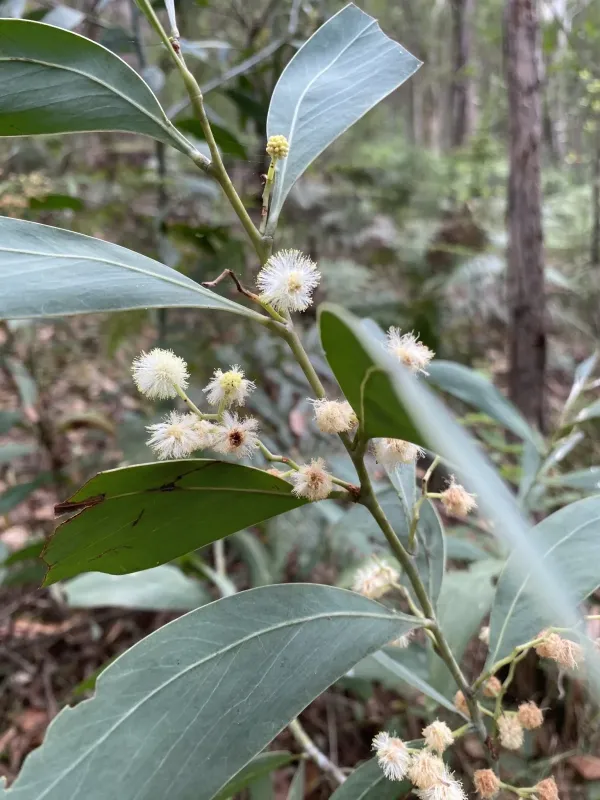
Description
Sowing dates
Propagation of Acacia penninervis is primarily achieved through seeds. To ensure high germination rates, seeds must undergo pre-treatment, such as soaking in near-boiling water or mechanical scarification, to overcome their hard, water-impermeable coats.
Sowing should be carried out in spring when soil temperatures reach a consistent range suitable for legume germination. The seeds are placed in a free-draining sandy loam mix at a depth of about 1 centimeter.
Transplanting seedlings into the permanent site is recommended only after the risk of frost has passed, as young plants are vulnerable to cold shock and require time to establish their taproot system.
During the initial stages of establishment, watering is critical. While mature trees are drought-tolerant, young specimens need consistent moisture to develop a deep root structure capable of supporting the tree in harsh conditions.
Spacing during planting is determined by the intended function, such as using it for shelterbelts or as an ornamental specimen, ensuring enough ventilation to avoid crown density issues.
Growing requirements
The Feather-veined wattle belongs to the Fabaceae family and is native to Eastern Australia. It is a hardy, evergreen tree adapted to diverse environments, from rocky ridges to coastal scrublands, demonstrating significant resilience.
Sunlight requirements are high; the species thrives in full sun, which is necessary for vigorous growth and the production of its characteristic golden flower spikes during the blooming season.
Soil quality is secondary to drainage. This species thrives in well-aerated soils and cannot tolerate waterlogged conditions, which lead to rapid root decay and decline in plant health.
Climate adaptation is robust, with the tree handling moderate drought and short-lived frosts. However, it is best suited for climates with temperate to sub-tropical characteristics where the risk of deep freezing is minimal.
Botanically, it is recognized for its phyllodes, which possess distinct longitudinal venation. These modified structures allow the tree to minimize transpiration losses, making it an excellent candidate for xeriscaping.
Main diseases and pests
Scale insects and mealybugs are the most common pests affecting the foliage of Acacia penninervis. These sap-sucking insects can weaken the tree if left untreated and may facilitate the growth of sooty mold.
Root rot caused by Phytophthora species is a serious threat, especially in soils that lack adequate drainage or in areas with high rainfall combined with poor soil aeration.
Borer insects can occasionally target stressed trees, causing structural damage to the bark and inner wood. Maintaining tree vigor through proper irrigation and avoiding mechanical wounding is the best preventive strategy.
Environmental stress, such as prolonged waterlogging, acts as a primary catalyst for most fungal infections. Monitoring the tree's health involves regular checks for yellowing phyllodes or canopy dieback.
- Monitor for signs of sap-sucking insects.
- Ensure soil drainage is optimal.
- Avoid over-fertilizing with phosphorus-heavy products.
- Prune dead wood to maintain air circulation.