
Weeping Myall
Acacia pendula
Description
Growing requirements
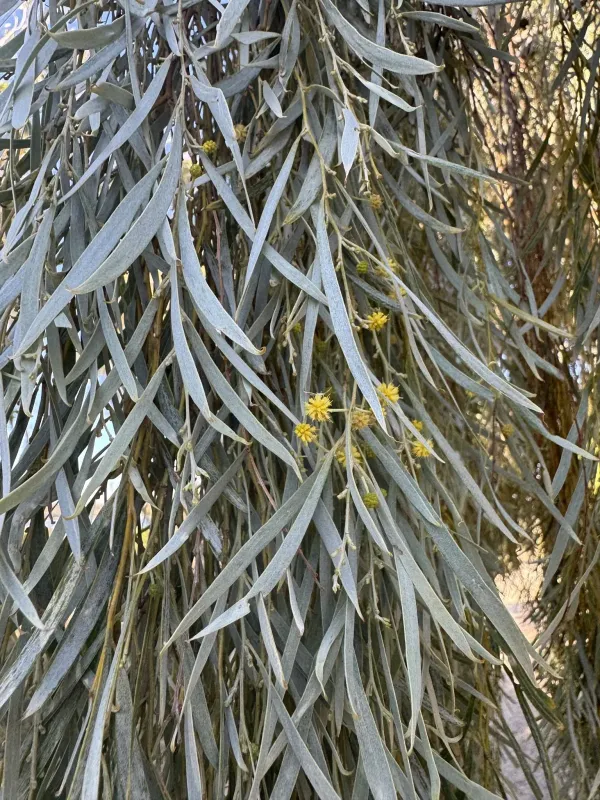
Acacia pendula, commonly known as the Weeping Myall, is an evergreen tree belonging to the Fabaceae family. Native to the arid and semi-arid regions of eastern Australia, it is highly valued for its striking pendulous habit.
The tree typically reaches heights of 6 to 10 meters, featuring silvery-grey phyllodes that provide a distinct aesthetic appeal. Its adaptability to harsh environmental conditions makes it a resilient choice for various landscaping projects.
It thrives in well-drained soils and shows remarkable tolerance to heavy clay types and alkaline or saline conditions. Good drainage is essential, as the species is prone to root rot if subjected to waterlogging for extended periods.
The species requires full sun exposure to maintain its characteristic weeping form and foliage density. It is well-suited for hot, dry climates where it can withstand prolonged droughts once established.
Economically, the Weeping Myall is primarily used for ornamental purposes, windbreaks, and erosion control. Its wood is dense and durable, historically used for decorative woodwork, although it is now largely protected for its ecological role.
Main diseases and pests
The main pests affecting Acacia pendula include sap-sucking insects like aphids and scale insects. These pests can cause yellowing and stunted growth of leaves if left unmanaged in large populations.
Fungal pathogens often target the root system, particularly in soils with poor aeration or excessive moisture. Maintaining a proper watering regimen is the most effective way to prevent these soil-borne diseases.
Various leaf-eating beetles may infest the foliage, leading to skeletonized leaves and weakened plant health. Integrated pest management, including regular monitoring, is recommended to mitigate the impact of such infestations.
Frost sensitivity can be an issue for younger specimens, which may suffer damage during unseasonal cold snaps. Protective measures or selecting frost-protected sites is advisable during the establishment phase.
Regular sanitation, such as removing dead or dying branches, helps maintain the tree's health and vigor. By reducing the accumulation of dead plant matter, you lower the risk of harboring harmful pests and secondary pathogens.