
Acacia oswaldii
Acacia oswaldii
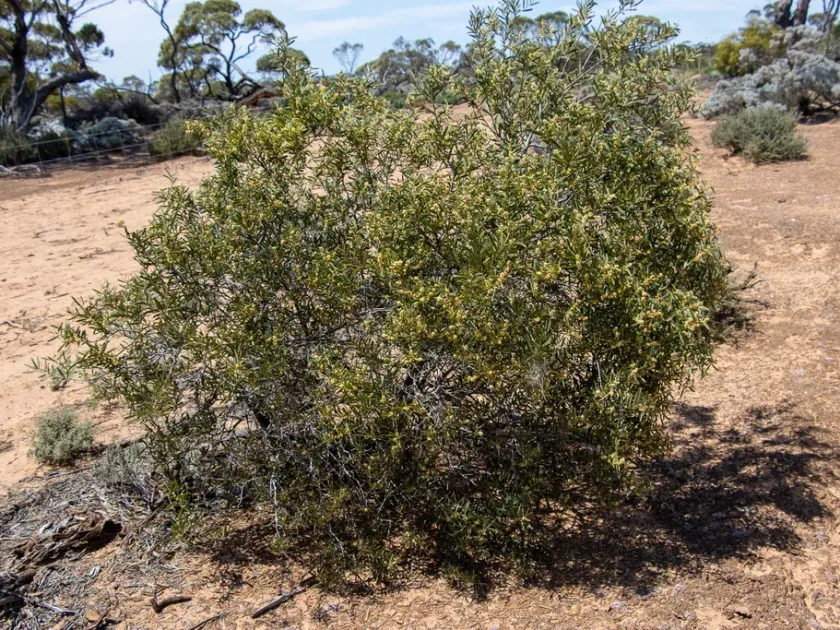
Description
Sowing dates
The seeds of Acacia oswaldii are characterized by a very hard coat, which necessitates pre-sowing treatments. To improve germination rates, agricultural practices typically involve scarification or immersion in hot water to break the physical dormancy of the seed coat.
The ideal time for planting occurs after the soil has warmed sufficiently in spring, ensuring the absence of frost. Sufficient heat is a critical requirement for initiating robust early growth and establishment in nursery conditions or field settings.
When sowing directly into the ground, a planting depth of 1–2 centimeters is recommended. Excessive depth may prevent the seedling from reaching the surface, while too shallow planting might lead to desiccation of the embryo before germination occurs.
Container cultivation is a preferred method for establishing seedlings before transplantation. This approach allows for better control over root development and ensures that young plants are robust enough to withstand the environmental challenges of the open field.
Plant spacing should be adjusted according to the intended use: 1.5–2 meters for windbreaks or living fences, and up to 5 meters for woodlot or timber plantation purposes to allow for sufficient canopy expansion.
Growing requirements
Acacia oswaldii, commonly known as Oswald's wattle, belongs to the Fabaceae family and is native to the arid and semi-arid regions of Australia. It is a highly resilient species, perfectly adapted to survival in harsh, low-rainfall environments.
The species prefers well-drained soils, ranging from sandy loams to rocky substrates. It exhibits remarkable tolerance to saline soil conditions, making it an excellent candidate for the restoration of degraded or marginal lands.
Acacia oswaldii is exceptionally drought-tolerant; however, during the first few years of growth, periodic irrigation is beneficial to facilitate the establishment of a strong root system. Mature trees can survive for extended periods without supplemental moisture.
Optimal growth occurs in hot to moderately hot climates. The tree is capable of enduring significant diurnal temperature fluctuations, which are typical of the continental arid zones of its natural habitat.
High levels of solar radiation are essential for the healthy development of this acacia. Shading, even in early stages, negatively impacts the plant's architecture, leading to elongated stems and a reduction in overall vigor and resilience.
Yield
The primary agricultural utility of Acacia oswaldii is as a source of supplementary forage. During severe drought conditions, the foliage and young shoots provide essential nutrition for livestock when other pasture resources are unavailable.
In agroforestry systems, the tree serves as a vital shelterbelt, protecting crops from wind damage and reducing soil erosion. Its dense canopy effectively mitigates wind speed while improving soil structure through nitrogen-fixing symbioses.
The timber of Acacia oswaldii is prized for its high density and durability. It is historically utilized for the creation of small artisanal wooden items and serves as an excellent firewood source due to its high caloric output.
Biomass productivity is directly correlated with local rainfall and soil fertility. In managed environments, the rate of wood and green matter accumulation is significant, given the plant's adaptation to nutrient-poor arid ecosystems.
While the seeds are not a primary commercial crop, they represent a potential resource for biodiversity conservation and habitat restoration projects within desert-fringe farming areas.
Main diseases and pests
Acacia oswaldii possesses a natural, high level of resistance to endemic diseases, which is typical for species evolved in harsh, selective environments. However, waterlogging can lead to fungal infections and root rot.
Leaf-eating insects, including certain species of beetles and larvae, are the most common pests. While generally not fatal to mature trees, significant infestations can reduce the photosynthetic capacity and slow down the tree's growth rate.
Wood-boring insects may attack trees that are already under significant physiological stress, such as prolonged drought or physical injury. Maintaining the health of the individual trees is the best deterrent against such attacks.
Disease prevention is primarily achieved through proper site selection and spacing, which ensure adequate airflow and sunlight penetration throughout the canopy, thereby preventing the accumulation of pathogens.
The use of chemical pesticides is generally discouraged in acacia plantations due to the tree's role in the local ecosystem. Integrated pest management, emphasizing cultural controls and monitoring, is the preferred approach for sustainable cultivation.
Harvesting
Forage harvesting is performed via selective pruning of lateral branches. It is crucial to limit the harvest to less than 30% of the green matter per season to allow the tree sufficient time to regenerate its canopy.
Seed collection is best undertaken when the pods turn brown and begin to dry. Manual picking or mechanical shaking of the branches onto collection mats are common methods for obtaining mature, high-quality seeds.
Post-harvest drying of seeds must be conducted in shaded, well-ventilated areas. This preserves viability and prevents the development of mold, which is a common risk if seeds are stored in high-humidity or dark conditions.
Timber harvest typically occurs during sanitary thinning operations or when trees reach technical maturity. Careful management ensures that harvesting does not lead to habitat degradation or loss of soil stability.
All harvesting activities should be performed during dry weather to minimize the risk of fungal contamination at cut sites and to ensure the longevity of the harvested wood and the health of the remaining plant stand.